


How to Spot AI-Generated Images and Deepfakes
In today’s digital age, distinguishing between real and artificial content is becoming increasingly challenging. AI-generated images and deepfakes are everywhere, from social media to news feeds, making it crucial to learn how to spot AI generated images. These sophisticated fakes can spread misinformation, impact reputations, and even influence public opinion.
Advertisements
Understanding the tell-tale signs of synthetic media can help you protect yourself and others from falling for these convincing illusions. This guide will walk you through practical tips and common red flags to look out for.
The Uncanny Valley and Subtle Imperfections
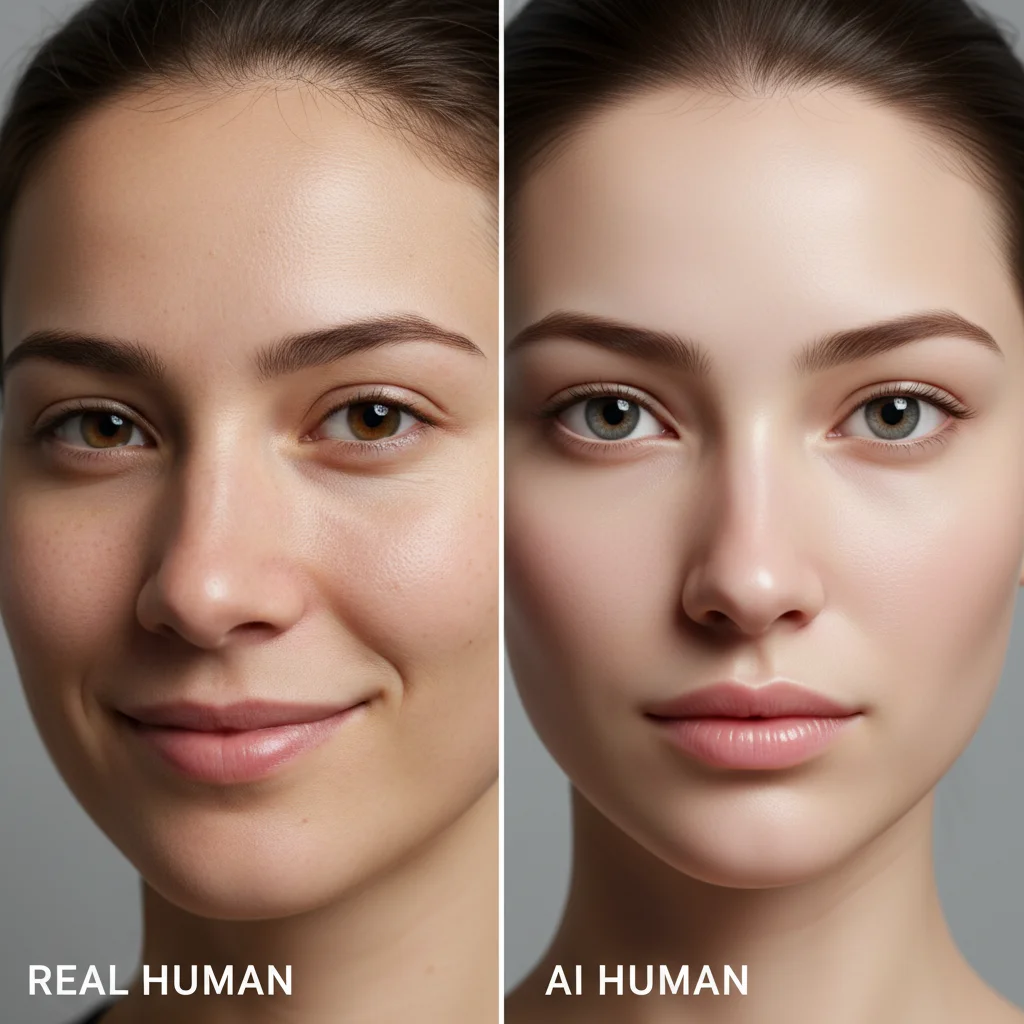
One of the most common giveaways for AI-generated images, especially faces, is what’s known as the “uncanny valley.” This refers to the discomfort we feel when something looks almost human but not quite. While AI is getting better, it still struggles with perfect realism.
Look for subtle imperfections that are often missing in AI-generated content. Real human faces have natural asymmetries; one eye might be slightly larger, or an ear might be a different shape. AI often produces overly symmetrical or unnervingly perfect features. Pay close attention to details like skin texture, hair, and teeth.
Key things to check:
- Eyes: Are they perfectly aligned? Do the pupils have natural reflections? Sometimes AI eyes can appear glassy, flat, or mismatched.
- Teeth: Are they too perfect, uniform, or strangely aligned? AI often struggles with realistic dental structures, sometimes generating too many or too few teeth, or teeth that are all the same size.
- Hair: Does the hair look unnaturally smooth, blocky, or like a wig? Individual strands can be difficult for AI to render realistically, often resulting in a painted-on or blurry effect.
- Skin: Is the skin too smooth, lacking pores, blemishes, or natural wrinkles? Or conversely, does it have an odd, textured pattern that doesn’t look quite right?
Distorted Backgrounds and Inconsistent Details
AI image generators often prioritize the main subject, leading to strange distortions or inconsistencies in the background or surrounding elements. These areas are usually where the AI makes its most noticeable mistakes.
When you spot AI generated images, zoom in and scrutinize the background. Look for blurry or warped objects, impossible architecture, or text that looks like gibberish. AI might also struggle with rendering consistent shadows or reflections, leading to illogical lighting in a scene.
Consider these details:
- Objects: Are objects in the background oddly shaped, merging into each other, or lacking definition?
- Text: If there’s text in the image (signs, books, clothing), is it legible? AI frequently generates garbled or nonsensical text.
- Physics: Do shadows fall naturally? Are reflections accurate? AI can sometimes create impossible physics, like objects floating or shadows pointing in the wrong direction.
- Repetitive Patterns: Some AI models can create repeating patterns or textures that look unnatural, especially in areas like clothing or wallpaper.
Hands, Fingers, and Accessories: AI’s Weak Spots
Even with advanced AI, hands and fingers remain notoriously difficult to render correctly. This is often one of the strongest indicators that you’re looking at an AI-generated image.
Count the fingers: AI often adds extra digits, merges fingers, or creates hands that are disproportionately sized or awkwardly posed. Look at the joints and fingernails; they might appear deformed or unnatural. Accessories like jewelry, glasses, or hats can also be problematic, sometimes appearing to melt, float, or be incorrectly positioned.
What to scrutinize:
- Finger Count: Does the person have five fingers on each hand? Are they all distinct and properly formed?
- Hand Anatomy: Do the hands look natural in proportion to the body? Are the joints and knuckles realistic?
- Accessories: Are glasses frames distorted? Do earrings appear to defy gravity? Is jewelry properly attached to the body?
Deepfakes: Beyond Still Images
While deepfakes are more complex, involving video and audio manipulation, many of the principles for spotting AI-generated images still apply. Deepfakes often involve superimposing one person’s face onto another’s body, or altering their speech.
When watching a video, look for inconsistencies in lighting, skin tone, or facial expressions that don’t quite match the dialogue or body language. Blurry edges around the face or neck, unnatural blinking patterns, or lips that don’t quite sync with the audio are all red flags. AI-generated voices can also sound robotic, monotone, or have unnatural inflections.
Tools and Resources to Help
Beyond your own keen eye, several online tools can help you analyze images for AI generation. Websites like ‘Is It AI?’ or ‘Deepfake Detection’ services use algorithms to identify patterns indicative of AI creation. While not foolproof, they can provide an additional layer of verification.
Always consider the source of the image or video. Is it from a reputable news organization or an unverified social media account? A healthy dose of skepticism is your best defense against misinformation. Learning to spot AI generated images is an ongoing process as the technology evolves, so staying informed is key.
Quick Takeaways / Key Points
- Look for unnatural perfection or uncanny features in faces, especially eyes, teeth, and skin.
- Examine backgrounds for distortions, gibberish text, or illogical physics.
- Pay close attention to hands and fingers, which are often rendered incorrectly by AI.
FAQ
Q: Are all AI-generated images harmful?
A: No, many AI-generated images are created for art, entertainment, or legitimate commercial purposes. The harm arises when they are used to deceive or spread misinformation.
Q: Can AI-generated images be detected 100% of the time?
A: No, as AI technology advances, detection becomes more challenging. However, by knowing common tells, you significantly improve your chances of identification.
Q: What should I do if I suspect an image is AI-generated?
A: Be cautious about sharing it. You can use online detection tools or perform a reverse image search to find its original source and verify its authenticity.
Conclusion
The ability to spot AI generated images and deepfakes is an essential skill in our increasingly digital world. By paying attention to subtle details, understanding common AI pitfalls, and utilizing available tools, you can become a more discerning consumer of online content. Stay vigilant, question what you see, and help foster a more informed online environment.