


How Much Sleep Do Adults Really Need? What the Research Says
Feeling tired lately? You’re not alone. Many adults wonder if they’re getting enough shut-eye, and understanding your ideal adult sleep needs is more important than you might think. Getting adequate rest is fundamental for your physical and mental well-being, impacting everything from your mood to your immune system. Let’s dive into what the latest research tells us about how much sleep adults really need and how you can achieve it.
Advertisements
The Official Recommendations: How Many Hours?
For most healthy adults, the National Sleep Foundation and the American Academy of Sleep Medicine recommend 7 to 9 hours of sleep per night. This range isn’t just a random number; it’s based on extensive research into the physiological and psychological benefits of adequate rest. While some individuals might feel fine on 6 hours and others might need 10, the 7-9 hour window is the sweet spot for the vast majority.
Consistently falling outside this range, either too little or too much, can have negative health consequences. Chronic sleep deprivation is linked to a higher risk of serious health issues, while regularly sleeping excessively can also be a sign of underlying health problems or contribute to other issues.
Why Sleep Matters: Beyond Just Feeling Refreshed
Sleep isn’t just about recharging your batteries; it’s an active and vital process for your body and mind. During sleep, your body repairs itself, your brain processes information, and your hormones regulate. Think of it as your body’s nightly maintenance crew performing essential tasks.
- Cognitive Function: A good night’s sleep sharpens your focus, improves problem-solving skills, and enhances memory. When you’re well-rested, you’re more alert and productive.
- Physical Health: Adequate sleep supports your immune system, helps maintain a healthy weight by regulating appetite hormones, and reduces your risk of chronic diseases like heart disease and diabetes.
- Emotional Well-being: Sleep plays a crucial role in mood regulation. Lack of sleep can make you more irritable, stressed, and even contribute to symptoms of depression and anxiety.
- Safety: Drowsiness impairs your reaction time and judgment, making you a hazard behind the wheel or when operating machinery.
Factors Influencing Your Adult Sleep Needs
While 7-9 hours is the general guideline, several factors can influence your individual adult sleep needs. It’s not a one-size-fits-all equation, and understanding these variables can help you tailor your sleep habits.
Age: While we’re focusing on adults, it’s worth noting that sleep needs change throughout life. Teenagers, for instance, typically need more sleep than older adults. Even within the adult category, an older adult might find their sleep patterns shift, often experiencing lighter sleep or waking more frequently.
Lifestyle: Your daily activities play a big role. If you have a physically demanding job or engage in intense exercise, your body might require more time for recovery. Conversely, a sedentary lifestyle could sometimes lead to less restorative sleep, as your body isn’t sufficiently tired.
Genetics: Believe it or not, some people are genetically predisposed to needing more or less sleep. These are often called ‘short sleepers’ or ‘long sleepers,’ but they are rare exceptions to the 7-9 hour rule.
Health Conditions: Certain medical conditions, like sleep apnea, insomnia, restless legs syndrome, or chronic pain, can significantly disrupt sleep patterns and impact how much quality rest you get. Medications can also affect sleep.
Pregnancy: Pregnant individuals often experience increased fatigue and a greater need for sleep, especially during the first and third trimesters, due to hormonal changes and physical demands.
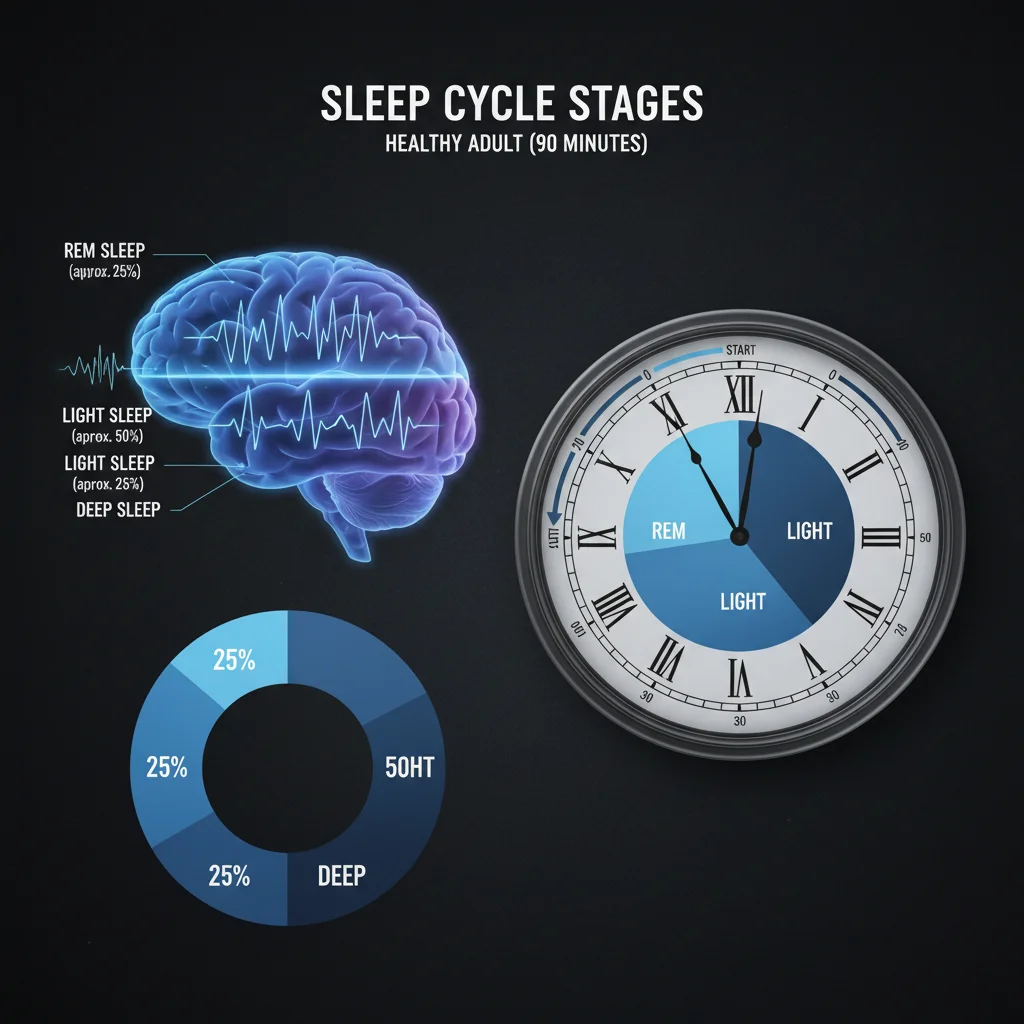
Sleep Quality vs. Quantity: It’s not just about the number of hours; it’s also about the quality of that sleep. Eight hours of fragmented, restless sleep might be less beneficial than seven hours of deep, uninterrupted rest. Focus on creating an environment conducive to deep sleep.
Recognizing the Signs of Inadequate Sleep
How do you know if you’re not meeting your adult sleep needs? Your body and mind will often send clear signals. Pay attention to these signs:
- Excessive Daytime Sleepiness: If you find yourself struggling to stay awake during meetings, while driving, or watching TV, it’s a strong indicator.
- Irritability and Mood Swings: Lack of sleep can make you feel on edge, easily frustrated, or emotionally volatile.
- Difficulty Concentrating: If your focus is shot, you’re making more mistakes, or your memory feels hazy, sleep deprivation could be the culprit.
- Increased Appetite: Sleep disruption can throw off hunger-regulating hormones, leading to cravings for unhealthy foods.
- Weakened Immune System: Catching every cold that goes around? Insufficient sleep can compromise your body’s ability to fight off infections.
- Slower Reaction Time: This can be particularly dangerous when driving or performing tasks that require quick responses.
Tips for Improving Your Sleep Quality
If you suspect you’re not getting enough quality sleep, don’t despair! There are many strategies you can implement to improve your adult sleep needs and overall rest. Consistency is key here.
Establish a Consistent Sleep Schedule: Go to bed and wake up around the same time every day, even on weekends. This helps regulate your body’s natural sleep-wake cycle, also known as your circadian rhythm.
Create a Relaxing Bedtime Routine: About an hour before bed, wind down with calming activities. This could include reading a book, taking a warm bath, listening to soothing music, or practicing gentle stretches. Avoid stimulating activities like intense exercise or work.
Optimize Your Sleep Environment: Make your bedroom a sanctuary for sleep. Keep it dark, quiet, and cool (ideally between 60-67 degrees Fahrenheit). Consider blackout curtains, earplugs, or a white noise machine if needed.
Limit Caffeine and Alcohol: Avoid caffeine in the late afternoon and evening, as its stimulating effects can last for hours. While alcohol might make you feel sleepy initially, it disrupts sleep architecture later in the night, leading to fragmented rest.
Be Mindful of Naps: Short power naps (20-30 minutes) can be beneficial, but long or late-afternoon naps can interfere with nighttime sleep. If you must nap, try to do it earlier in the day.
Reduce Screen Time Before Bed: The blue light emitted from phones, tablets, and computers can suppress melatonin production, a hormone that signals to your body that it’s time to sleep. Try to put screens away at least an hour before bed.
Regular Physical Activity: Exercise can significantly improve sleep quality, but timing is important. Avoid vigorous workouts too close to bedtime, as they can be stimulating.
Quick Takeaways:
- Most adults need 7-9 hours of sleep per night for optimal health.
- Sleep impacts cognitive function, physical health, and emotional well-being.
- Individual adult sleep needs can vary based on age, lifestyle, and health.
FAQ
Q: Can I catch up on sleep on the weekends?
A: While a little extra sleep on weekends can help, it doesn’t fully compensate for chronic sleep debt. Consistency in your sleep schedule is far more beneficial for regulating your body’s natural rhythms.
Q: Is it possible to get too much sleep?
A: Regularly sleeping more than 9 hours for adults can sometimes be a sign of underlying health issues, like depression or certain medical conditions. It’s worth discussing with your doctor if it’s a consistent pattern.
Q: What if I struggle to fall asleep even with a good routine?
A: If you consistently have trouble falling or staying asleep despite implementing good sleep hygiene, it’s a good idea to consult a healthcare professional. You might have an underlying sleep disorder that requires medical attention.
Conclusion
Prioritizing your adult sleep needs is one of the best investments you can make in your overall health. Aim for that 7 to 9 hours of quality rest each night, and pay attention to how your body feels. If you’re consistently struggling, don’t hesitate to reach out to your doctor for personalized advice. Sweet dreams!
This article is for informational purposes only and is not a substitute for professional medical advice. Talk to your doctor before making changes to your health routine.