

5 AI Breakthroughs Changing the Recent History of Medicine
Have you ever wondered how technology is shaping the future of your health? Artificial intelligence isn’t just for sci-fi movies anymore; it’s actively transforming the medical field right now. From how diseases are diagnosed to the development of new treatments, AI breakthroughs medicine are creating a healthier future for all of us.
Advertisements
In this post, we’ll dive into five significant AI advancements that are making a real difference in healthcare. You’ll learn about the cutting-edge ways AI is improving diagnostics, accelerating drug discovery, and paving the way for truly personalized medicine. It’s an exciting time to be alive, especially when it comes to medical innovation!
Accelerating Drug Discovery and Development
One of the most time-consuming and expensive aspects of medicine has always been drug discovery. Traditionally, this process involved years of trial and error, often with limited success. However, AI is fundamentally changing this by rapidly sifting through vast amounts of data, identifying potential drug candidates, and predicting their efficacy and safety.
AI algorithms can analyze molecular structures, biological pathways, and patient data to pinpoint compounds that are most likely to succeed. This significantly reduces the time and cost associated with bringing new medications to market. Companies are now using AI to design novel molecules from scratch, optimize existing drugs, and even repurpose old ones for new conditions. This means faster access to life-saving treatments for you and your loved ones.
Precision Diagnostics and Early Disease Detection
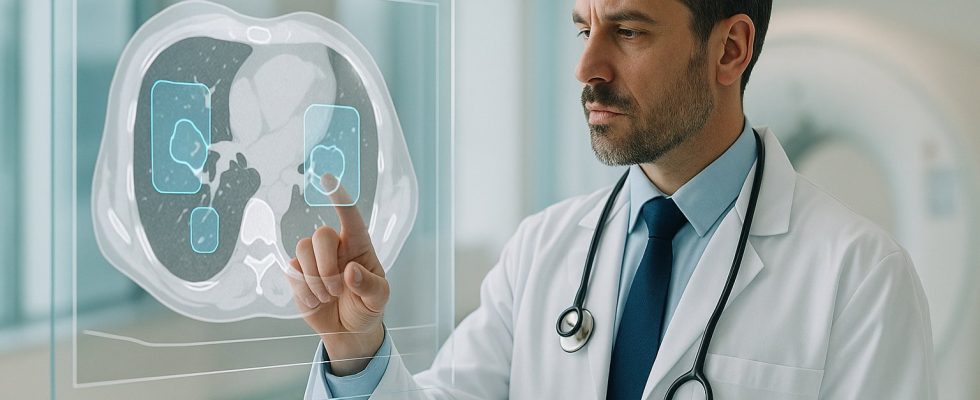
Imagine catching a serious illness before it even presents noticeable symptoms. AI is making this a reality through its incredible ability to analyze medical images, lab results, and patient records with unprecedented accuracy. These AI breakthroughs medicine are leading to earlier diagnoses, which often translates to more effective treatment and better outcomes.
For instance, AI-powered tools can detect subtle abnormalities in X-rays, MRIs, and CT scans that might be missed by the human eye. In pathology, AI can analyze tissue samples to identify cancerous cells with high precision. Beyond imaging, AI can process genetic data and electronic health records to identify individuals at high risk for certain conditions, enabling proactive interventions. This shift towards precision diagnostics is a game-changer for preventative care.
Personalized Treatment Plans and Therapies
Gone are the days of one-size-fits-all medicine. AI is ushering in an era of personalized healthcare, where treatments are tailored to your unique genetic makeup, lifestyle, and disease profile. This approach promises more effective therapies with fewer side effects, leading to better health for individual patients.
AI can analyze an individual’s genetic data to predict how they will respond to specific medications, helping doctors prescribe the most effective drug and dosage. It can also monitor patient data in real-time, adjusting treatment plans as needed. For cancer patients, AI helps determine the most suitable chemotherapy or radiation therapy regimen. This level of personalization ensures that you receive the care that is precisely right for you.
Revolutionizing Medical Research with Data Analysis
The sheer volume of medical data generated daily is staggering, from scientific papers to clinical trial results. AI is proving invaluable in making sense of this information overload, accelerating medical research and discovery. These AI breakthroughs medicine are helping scientists uncover new insights and patterns that would be impossible for humans to discern alone.
AI-powered tools can read and synthesize thousands of research papers in minutes, identifying connections and hypotheses that might lead to breakthroughs. It can also analyze large datasets from clinical trials to identify patient subgroups that respond best to certain treatments or to detect unforeseen side effects. This capability speeds up the research cycle, bringing new knowledge and treatments to patients faster.
Enhanced Robotic Surgery and Medical Imaging
AI is also making significant strides in the operating room and in how we visualize the human body. Robotic surgery, enhanced by AI, offers incredible precision and minimizes invasiveness, leading to faster recovery times for patients. AI also plays a crucial role in refining medical imaging techniques, providing clearer and more detailed views of internal structures.
AI algorithms guide surgical robots, helping them perform delicate procedures with greater accuracy than human hands alone. This can lead to smaller incisions, less blood loss, and reduced post-operative pain. In imaging, AI reconstructs complex 3D models from scans, helps reduce image noise, and even predicts the progression of diseases based on imaging biomarkers. These advancements mean safer procedures and more accurate diagnoses for you.
Quick Takeaways
- AI is dramatically speeding up drug discovery, making new treatments available faster.
- Precision diagnostics powered by AI allow for earlier and more accurate disease detection.
- Personalized treatment plans, tailored by AI, promise more effective and safer therapies.
FAQ
- How does AI help in drug discovery?
- AI analyzes vast molecular and biological data to identify potential drug candidates, predict their effectiveness and safety, and even design new molecules, significantly accelerating the research process.
- Is AI replacing doctors in diagnostics?
- No, AI is a powerful tool that assists doctors by providing highly accurate analyses of medical images and data, helping them make more informed diagnoses. It augments, rather than replaces, human expertise.
- What is personalized medicine?
- Personalized medicine uses an individual’s unique genetic, environmental, and lifestyle data to tailor medical treatments specifically for them, aiming for more effective and safer outcomes than traditional approaches.
The Future is Bright with AI in Medicine
The AI breakthroughs medicine has seen recently are nothing short of revolutionary. From the initial stages of drug discovery to highly personalized treatment plans and precision surgery, AI is reshaping every facet of healthcare. These innovations promise a future where diseases are diagnosed earlier, treatments are more effective, and healthcare is truly tailored to the individual.
As AI continues to evolve, we can expect even more incredible advancements that will further enhance our health and well-being. Keep an eye on this space; the future of medicine is here, and it’s powered by AI. Stay informed about these exciting developments and consider how they might impact your health journey.
This article is for informational purposes only and is not a substitute for professional medical advice. Talk to your doctor before making changes to your health routine.