

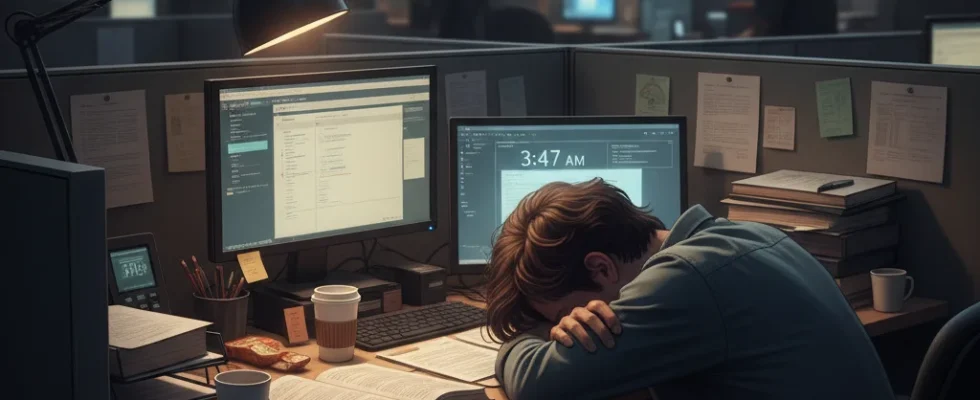
Signs of Burnout and Practical Ways to Recover
Feeling constantly drained, unmotivated, and just “over it”? You’re not alone. In our fast-paced world, many of us push ourselves to the limit, often without realizing the toll it takes. This persistent stress can lead to burnout, a state of physical, emotional, and mental exhaustion. Understanding the signs of burnout and practical ways to recover is crucial for your well-being. This guide will help you identify if you’re experiencing burnout and provide actionable steps to help you reclaim your energy and enthusiasm.
Advertisements
Burnout isn’t just “being tired”; it’s a deeper, more pervasive issue that can impact every area of your life. It’s often a result of prolonged or excessive stress, particularly in your work environment, but it can also stem from parenting, caregiving, or other demanding roles. Recognizing the symptoms early can make a significant difference in how quickly and effectively you can bounce back.
Recognizing the Red Flags: Common Signs of Burnout
Burnout doesn’t usually appear overnight. It’s a gradual process, often starting with subtle shifts that escalate over time. Paying attention to these early warning signs can help you intervene before the situation becomes more severe. Here are some of the most common indicators:
-
Chronic Fatigue: This isn’t just regular tiredness that a good night’s sleep can fix. It’s a persistent feeling of exhaustion, even after rest. You might wake up feeling tired, struggle to concentrate, and feel physically and mentally drained throughout the day.
-
Cynicism and Detachment: You might start to feel increasingly negative or cynical about your job, your relationships, or life in general. You could find yourself withdrawing from colleagues, friends, or family, feeling emotionally distant or numb.
-
Reduced Performance and Effectiveness: Despite working harder, you may feel less productive or effective. Tasks that were once easy become challenging, and you might struggle with decision-making, creativity, or problem-solving. Your output might decrease, and you could make more mistakes.
-
Irritability and Impatience: Small annoyances might trigger disproportionate reactions. You might find yourself easily frustrated, impatient, or even angry with people or situations that wouldn’t normally bother you.
-
Physical Symptoms: Burnout can manifest physically. You might experience frequent headaches, stomach issues, muscle pain, changes in appetite or sleep patterns, or a weakened immune system leading to more frequent colds or illnesses. These are your body’s alarm bells going off.
-
Lack of Motivation and Apathy: What once excited you now feels like a chore. You might lose interest in hobbies, social activities, or even basic self-care. A general sense of apathy can set in, making it hard to care about anything.
-
Feeling of Failure or Self-Doubt: You might question your abilities, feel inadequate, or experience a sense of failure. This can be particularly prevalent if your identity is closely tied to your work or role.
If several of these signs resonate with you, it’s a strong indication that you might be experiencing burnout. Acknowledging these signs of burnout and practical ways to recover is the first step toward healing.
Practical Ways to Recover from Burnout
Once you’ve identified the signs, the next crucial step is to implement strategies for recovery. This isn’t a quick fix; it requires patience, self-compassion, and a commitment to making sustainable changes. Here are some practical ways to help you recover:
Recharge Your Body and Mind
-
Prioritize Sleep: This is non-negotiable. Aim for 7-9 hours of quality sleep per night. Establish a consistent sleep schedule, create a relaxing bedtime routine, and make your bedroom a sanctuary. Avoid screens before bed and limit caffeine and alcohol, especially in the evenings.
-
Nourish Your Body: A balanced diet rich in fruits, vegetables, lean proteins, and whole grains can significantly impact your energy levels and mood. Limit processed foods, excessive sugar, and unhealthy fats. Hydration is also key—drink plenty of water throughout the day.
-
Move Your Body: Regular physical activity is a powerful stress reliever and mood booster. You don’t need to hit the gym for hours; even a 30-minute walk, some gentle yoga, or dancing to your favorite music can make a difference. Find an activity you enjoy and make it a consistent part of your routine.
-
Practice Mindfulness and Relaxation: Techniques like meditation, deep breathing exercises, or progressive muscle relaxation can help calm your nervous system. Even a few minutes a day can reduce stress and improve focus. Apps like Calm or Headspace can guide you through these practices.
Re-evaluate Your Boundaries and Workload
-
Set Clear Boundaries: Learn to say “no” to additional commitments that will overload you. This applies to both work and personal life. Define your working hours and stick to them. Avoid checking emails or working after hours. Protecting your personal time is essential for recovery.
-
Delegate and Ask for Help: You don’t have to do everything yourself. If possible, delegate tasks at work or home. Don’t be afraid to ask for help from colleagues, friends, or family. They might be more willing to assist than you think.
-
Take Regular Breaks: Step away from your desk or tasks periodically. Short breaks throughout the day can prevent mental fatigue. Consider taking a few days off, or even a longer vacation, to completely disconnect and recharge.
-
Identify and Address Stressors: Pinpoint the specific factors contributing to your burnout. Is it a demanding boss, an overwhelming workload, or a lack of control? Once identified, you can strategize ways to mitigate or change these stressors. This might involve a conversation with your manager, adjusting your responsibilities, or even considering a career change.

Reconnect and Re-engage
-
Nurture Relationships: Spend time with supportive friends, family, or a partner who uplift you. Social connection is a powerful antidote to feelings of isolation and can provide emotional support during recovery.
-
Rediscover Hobbies and Interests: Re-engage with activities that bring you joy and a sense of purpose outside of your responsibilities. This could be anything from reading, painting, gardening, playing music, or spending time in nature. These activities help you remember who you are beyond your roles.
-
Seek Professional Support: If you’re struggling to recover on your own, consider talking to a mental health professional like a therapist or counselor. They can provide strategies, coping mechanisms, and support tailored to your situation. Your doctor can also rule out any underlying medical conditions that might be contributing to your fatigue.
-
Practice Self-Compassion: Be kind to yourself. Recovery takes time, and there will be good days and bad days. Avoid self-criticism and acknowledge your efforts. Treat yourself with the same care and understanding you would offer a friend.
Implementing these signs of burnout and practical ways to recover will not only help you heal but also build resilience against future burnout. Remember, your well-being is paramount.
Quick Takeaways
- Burnout is chronic exhaustion, cynicism, and reduced effectiveness, not just fatigue.
- Prioritize sleep, nutrition, exercise, and mindfulness for physical and mental recovery.
- Set firm boundaries, delegate tasks, and seek professional help if you’re struggling to recover.
FAQ
- What’s the difference between stress and burnout?
- Stress involves feeling over-engaged and overwhelmed, often accompanied by urgency and hyperactivity. Burnout, however, is characterized by disengagement, emotional exhaustion, cynicism, and a sense of hopelessness and helplessness.
- How long does it take to recover from burnout?
- Recovery time varies greatly depending on the severity and duration of burnout, as well as the individual’s commitment to recovery strategies. It can range from a few weeks to several months, or even longer for severe cases.
- Can burnout be prevented?
- Yes, by proactively managing stress, setting healthy boundaries, prioritizing self-care, maintaining work-life balance, and seeking support when needed, you can significantly reduce your risk of experiencing burnout.
Conclusion
Recognizing the signs of burnout and practical ways to recover is a critical step toward a healthier, more balanced life. By understanding the symptoms and actively implementing self-care strategies, you can not only recover from burnout but also build a more resilient foundation for your overall well-being. Don’t wait until you’re completely depleted; take proactive steps today to reclaim your energy and passion.
This article is for informational purposes only and is not a substitute for professional medical advice. Talk to your doctor before making changes to your health routine.