
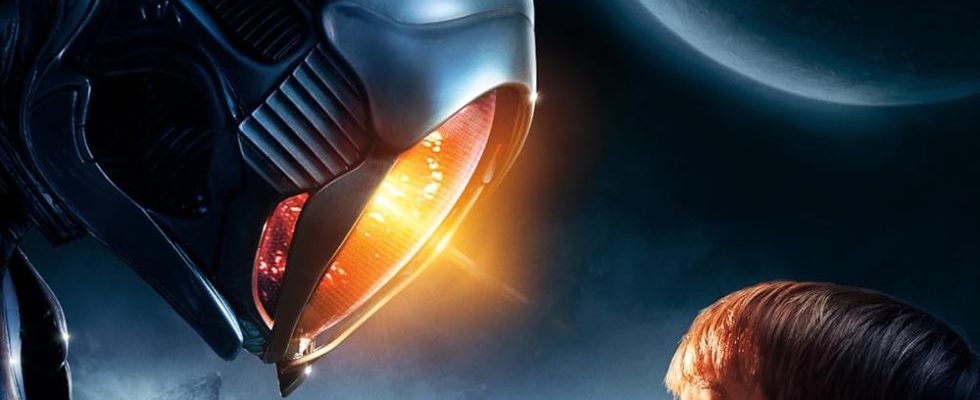
Greetings, friends! Ever found yourself captivated by a tale of survival amidst the vastness of space? Today, I’m excited to share a deep dive into the series Lost in Space, which artfully reinvents the iconic 1960s sci-fi classic for today’s audience. With its breathtaking visuals, intricate family dynamics, and heart-pounding survival narratives, it manages to resonate with viewers in a profound way.
Lost in Space made its debut on Netflix on April 13, 2018, offering a total of 28 captivating episodes spread over three seasons, finally wrapping up on December 1, 2021. Each installment runs for about 50-60 minutes, making it a perfect choice for those binge-watching marathons. This reboot follows the Robinson family’s harrowing journey as they find themselves stranded on a perilous alien world after their colony ship veers off its intended path, compelling them to unite and overcome extreme challenges while yearning to return to their original home.
What distinguishes this series is how it breathes new life into the beloved concept, merging modern storytelling with stunning production qualities that rival the biggest cinematic releases. Rather than merely recycling old formulas, Lost in Space enriches its core premise through in-depth character narratives, authentic family interactions, and real stakes that maintain the audience’s engagement with each new threat faced. The series retains the essence of the classic while presenting a fresh and relatable experience for contemporary viewers.
One of the standout features of this Netflix reimagining is its ability to anchor extraordinary science fiction elements in genuine human emotions and connections. The characters of the Robinson family resonate with audiences, portraying real personas grappling with external dangers and internal tensions that test their familial bonds. Lost in Space illustrates how the finest science fiction can utilize futuristic backdrops to delve into timeless issues like family, sacrifice, and the true meaning of home.
John and Maureen Robinson: Navigating Leadership Amidst Chaos
Toby Stephens and Molly Parker shine in their roles as John and Maureen Robinson, parents thrust into a world filled with alien threats while grappling with the demands of maintaining their family unit and their relationship. Their portrayal in Lost in Space is a testament to how extreme situations can bolster or undermine partnerships, as they face decisions that weigh survival against their moral compass. With John’s military expertise and Maureen’s scientific knowledge, the duo showcases a rich dynamic where both parents contribute vital skills while learning to rely on one another’s insights.
The series cleverly illustrates how parental roles shift when conventional structures falter. As both John and Maureen adapt their methods to shield their children, they also empower them with the independence crucial for survival, resulting in relatable family tensions that echo far beyond the realm of sci-fi.
The Robinson Offspring: Maturing Through Extraordinary Trials
Maxwell Jenkins, Taylor Russell, and Mina Sundwall deftly embody the Robinson children—Will, Judy, and Penny—each confronting distinct challenges that hone their individual skills and shape their family ties. Will’s extraordinary bond with the enigmatic Robot delivers some of the series’ most emotional moments, while Judy’s medical training proves invaluable in their quest for survival. Penny’s journey from initial reluctance to becoming a pivotal team member exemplifies how crises can unveil hidden strengths.
The chemistry displayed among the siblings feels genuine, particularly in scenes where they must collaborate despite the usual teenage friction. Lost in Space respects its younger characters, illustrating how extraordinary events can hasten maturity without compromising the individuality that makes each child integral to the family narrative.
Dr. Smith: The Intriguing Agent of Chaos
Parker Posey’s reinterpretation of Dr. Smith shifts the character from a caricatured antagonist to a psychologically complex manipulator, whose presence introduces an air of uncertainty and tension. Her performance enriches Lost in Space by showcasing a character whose instinct for survival often clashes with the interests of the group. Dr. Smith’s interactions with the Robinson family highlight the delicate balance of trust when collaboration is essential for survival.
This character serves as a constant reminder that human nature can pose as much danger as any alien adversary, creating ethical dilemmas that compel the Robinson family to reassess their values while fighting for their existence.
The Climactic Final Season: A Fitting Conclusion
The third season marks a crescendo of emotional and narrative arcs as all plotlines converge on the destiny of the Robinson family. Lost in Space fulfills its promises made throughout the series, providing rewarding resolutions to character journeys while upholding the high-stakes excitement and emotional richness that has defined the show. The concluding episodes reflect how the family’s growth prepares them for their most daunting challenges yet.
Instead of relying on simple resolutions, the finale delves into how the Robinson family’s experiences have transformed them, influencing their decisions on aiding others in similar predicaments.
A Triumph for Netflix
Lost in Space emerged as one of Netflix’s standout sci-fi offerings during its run from 2018 to 2021, garnering praise for its stunning visual effects, performances, and thoughtful retelling of classic material. The series showcased that there is still a market for adventure stories centered on family that merge dazzling sci-fi elements with genuine emotional narratives. Each episode presented cinema-quality production standards while balancing excitement, character growth, and scientific problem-solving, appealing to both adult and younger viewers. Lost in Space epitomizes Netflix’s capability to produce premium original content that honors cherished franchises while fostering a distinctive identity, thus setting a high benchmark for the modern reimagining of classic series.
Ideal for Fans of Family-Oriented Sci-Fi Adventures
If you’re drawn to tales of family dynamics, adventures in space, and survival narratives that fuse awe-inspiring visuals with rich character arcs, Lost in Space is absolutely a must-watch on Netflix. The series excels in reminding viewers that at its heart, the best sci-fi adventures revolve around the relationships that empower us to confront insurmountable challenges.
An Essential Reboot Worth Your Time
Lost in Space demonstrates that exceptional reboots do more than enhance visual effects and production quality; they uncover new avenues to explore the ageless themes that have allowed the original concept to endure. This series honors its roots while crafting a unique narrative, offering a viewing experience that leaves one both emotionally fulfilled and excited for humanity’s next grand journey through the cosmos.
Essential Series Information
Number of Episodes: 28 episodes (3 seasons, completed series)
Platform: Netflix
Release/End Year: 2018-2021
Current IMDb Rating: 7.3/10
Genre: Sci-Fi Adventure, Family Drama
Status: Completed series
Main Characters: Toby Stephens (John Robinson), Molly Parker (Maureen Robinson), Maxwell Jenkins (Will Robinson), Taylor Russell (Judy Robinson), Mina Sundwall (Penny Robinson), Parker Posey (Dr. Smith), Ignacio Serricchio (Don West)
Supporting Characters: Brian Steele (Robot), various alien creatures and fellow space colonists