

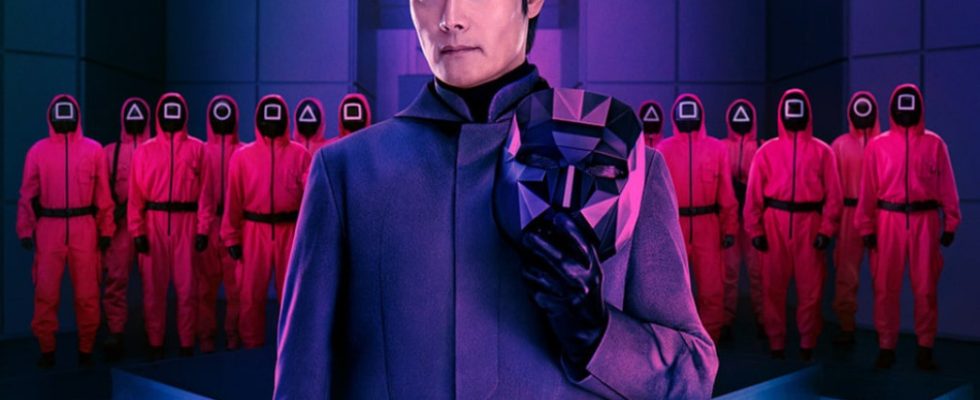
Hello, fellow binge-watchers! Buckle up because today we’re diving into the whirlwind of chaos and moral quandary that is Squid Game. This Netflix sensation has gripped audiences worldwide with its brutal insights into desperation, survival, and the murky waters of human nature.
Advertisements
Premiering on September 17, 2021, this groundbreaking series boasts nine gripping episodes, each about an hour long. Crafted by the brilliant Hwang Dong-hyuk, and featuring talent like Lee Jung-jae and Park Hae-soo, this survival thriller has set a new bar for global television.
Set against the backdrop of South Korea, the narrative follows 456 financially strapped contestants who accept a cryptic invitation to partake in childhood games—only to discover that these innocent challenges have turned into lethal contests. The stark contrast of childhood nostalgia and unrelenting violence creates a viewing experience that lingers long after the screen goes dark.
What makes this show truly brilliant is its seamless transformation of familiar childhood pastimes into terrifying contests, all while weaving in biting social commentary on economic disparity and the extremes to which people will go to stay alive. As each episode unfolds, the tension mounts, making it as much a psychological thriller as it is a commentary on human instinct.
The Game Unfolds
Our journey kicks off with Seong Gi-hun, a divorced dad drowning in gambling debts. When he meets a mysterious businessman who offers him a chance to play some games, he unwittingly joins 455 others who are equally desperate. Suddenly, childhood games like “Red Light, Green Light” morph into life-or-death stakes.
Supervised by masked guards and the ominous Front Man, the atmosphere is thick with dread. As players drop out in increasingly gruesome fashion, alliances form and dissolve, exposing the raw depths of human desperation and the moral compromises made in the name of survival. The show masterfully illustrates how extreme circumstances can reveal both the best and the worst of humanity.
Seong Gi-hun: A Journey of Transformation
Lee Jung-jae’s portrayal of Seong Gi-hun (Player 456) is nothing short of a tour de force. He morphs from a gullible, well-meaning gambler into a steely survivor, encapsulating a man torn between his morals and the harsh realities of his predicament. This character arc is both heartbreaking and riveting, as we witness Gi-hun wrestle with the weight of his choices.
What makes Gi-hun’s story resonate is his relatability as an everyman caught in extraordinary conditions. His interactions with fellow players, particularly his childhood companion Cho Sang-woo and the elderly Player 001, expose various dimensions of his character and compel him to confront uncomfortable truths about loyalty and survival.
The System: Front Man and the True Antagonist
While the series features multiple villains, the real antagonist is the system itself, embodied by the enigmatic Front Man (Lee Byung-hun). The masked organizers instill an eerie sense of surveillance, manipulating hope and despair with chilling precision. The Front Man’s backstory enriches the narrative, illustrating how systems can corrupt even those who initially resist them.
The true horror lies not just in the games but in the psychological manipulation that strips players of their dignity. This series brilliantly examines how institutional power can corrupt and how dire circumstances can lead individuals to forsake their moral beliefs.
The Climax: The Final Showdown
As the series reaches its crescendo, the climactic showdown between Gi-hun and Sang-woo in the final game is nothing short of devastating. This emotionally charged sequence compels viewers to grapple with the true cost of survival and the value of victory. The marble game episode, in particular, stands out as a masterclass in tension, testing friendships in heartbreakingly profound ways.
The conclusion doesn’t merely tie up the games but delves into the psychological scars left by survival. Gi-hun’s victory, achieved at an enormous cost, raises poignant questions about whether winning truly justifies the means, prompting viewers to reflect on the nature of success and survival in a harsh world.
A Global Sensation
Squid Game erupted into a worldwide phenomenon, smashing Netflix records and claiming the crown as the platform’s most-watched series. It transcended cultural boundaries, igniting discussions on inequality, capitalism, and social justice on a global scale. With its innovative storytelling and unflinching exploration of human nature, Squid Game has proven that Korean narratives can achieve unparalleled international acclaim while retaining cultural authenticity.
If you’re a fan of psychological thrillers that challenge your perceptions, Squid Game is your next binge-worthy obsession. This isn’t just a show; it’s a cultural event that demands your attention and conversation.
In short, it’s a masterful concoction of childhood nostalgia and adult horror that unveils the darkest recesses of human desperation while providing one of the most gripping television experiences of the decade.
Series Overview:
Episodes: 9 (Season 1), with Seasons 2 and 3 on the way
Available on: Netflix
IMDb Rating: 8.0/10
Genres: Survival Thriller, Psychological Drama, Social Commentary
Key Characters: Lee Jung-jae as Seong Gi-hun, Park Hae-soo as Cho Sang-woo, O Yeong-su as Player 001
Antagonist: The Front Man (Lee Byung-hun) and the oppressive game system