


Flu Season Prep: How to Stay Healthy This Fall and Winter
As the leaves begin to change and a crispness fills the air, we’re reminded that fall is here, and with it, the start of flu season. Nobody wants to spend the colder months feeling under the weather. Getting a head start on Flu Season Prep is your best defense against seasonal sniffles, coughs, and more serious illnesses. This guide will walk you through actionable steps to boost your immunity and keep you and your family feeling great all season long.
Advertisements
The Importance of Early Flu Season Prep
Thinking about flu season before it hits full swing might seem like overkill, but proactive measures are truly your best allies. The flu virus typically circulates from October through May, peaking between December and February. Starting your Flu Season Prep early gives your body time to build up defenses and allows you to establish healthy habits that will serve you well for months to come.
Beyond just avoiding the flu, good seasonal health practices can also help you ward off other common respiratory viruses, like the common cold. A strong immune system is your body’s natural shield, and fall is the perfect time to reinforce it. Don’t wait until you hear the first cough; begin implementing these strategies now.
Your First Line of Defense: The Flu Shot
When it comes to effective Flu Season Prep, the flu shot is consistently recommended by health professionals. The Centers for Disease Control and Prevention (CDC) advises that everyone six months and older get an annual flu shot, with rare exceptions. It’s designed to protect against the influenza viruses that research indicates will be most common during the upcoming season.
Getting vaccinated not only reduces your risk of catching the flu but also lessens the severity of symptoms if you do get sick. This can prevent serious complications, hospitalizations, and even death. The best time to get your flu shot is typically in September or October, giving your body about two weeks to develop protective antibodies before flu activity begins to increase. You can find flu shots at most pharmacies, doctor’s offices, and local health clinics across the U.S.
Boost Your Immune System Naturally
A strong immune system is crucial for effective Flu Season Prep. While the flu shot targets specific viruses, these lifestyle habits provide a broader defense against various illnesses. Think of it as building a robust foundation for your overall health.
Prioritize Quality Sleep
Sleep is a superpower for your immune system. When you don’t get enough rest, your body produces fewer infection-fighting antibodies and cells. Aim for 7-9 hours of quality sleep per night for adults. Establish a consistent sleep schedule, create a relaxing bedtime routine, and make sure your bedroom is dark, quiet, and cool. Powering down screens an hour before bed can also make a big difference.
Eat a Nutrient-Rich Diet
What you eat plays a direct role in your immune health. Focus on a diet rich in fruits, vegetables, whole grains, and lean proteins. These foods provide essential vitamins and minerals like Vitamin C, Vitamin D, Zinc, and Selenium, which are vital for immune function. Incorporate colorful produce like berries, citrus fruits, leafy greens, and bell peppers. Consider adding fermented foods like yogurt or kimchi for gut health, which is closely linked to immunity.
Stay Hydrated
Drinking plenty of water helps your body function optimally, including flushing out toxins and supporting immune responses. Keep a water bottle handy throughout the day and aim for at least 8 glasses of water. Herbal teas and broths can also contribute to your daily fluid intake, especially as temperatures drop.
Regular Physical Activity
Moderate exercise can significantly boost your immune system by increasing the circulation of white blood cells, which fight infection. Aim for at least 30 minutes of moderate-intensity exercise most days of the week. This could be a brisk walk, jogging, cycling, or swimming. Avoid overtraining, as extreme exercise can sometimes temporarily suppress immunity.
Manage Stress Levels
Chronic stress can weaken your immune system, making you more susceptible to illness. Find healthy ways to manage stress, such as meditation, yoga, deep breathing exercises, spending time in nature, or engaging in hobbies you enjoy. Prioritizing mental well-being is an integral part of your Flu Season Prep.
Everyday Habits for Flu Season Prep
Beyond boosting your internal defenses, some simple everyday habits can significantly reduce your risk of exposure to germs and prevent the spread of illness.
Wash Your Hands Frequently and Thoroughly
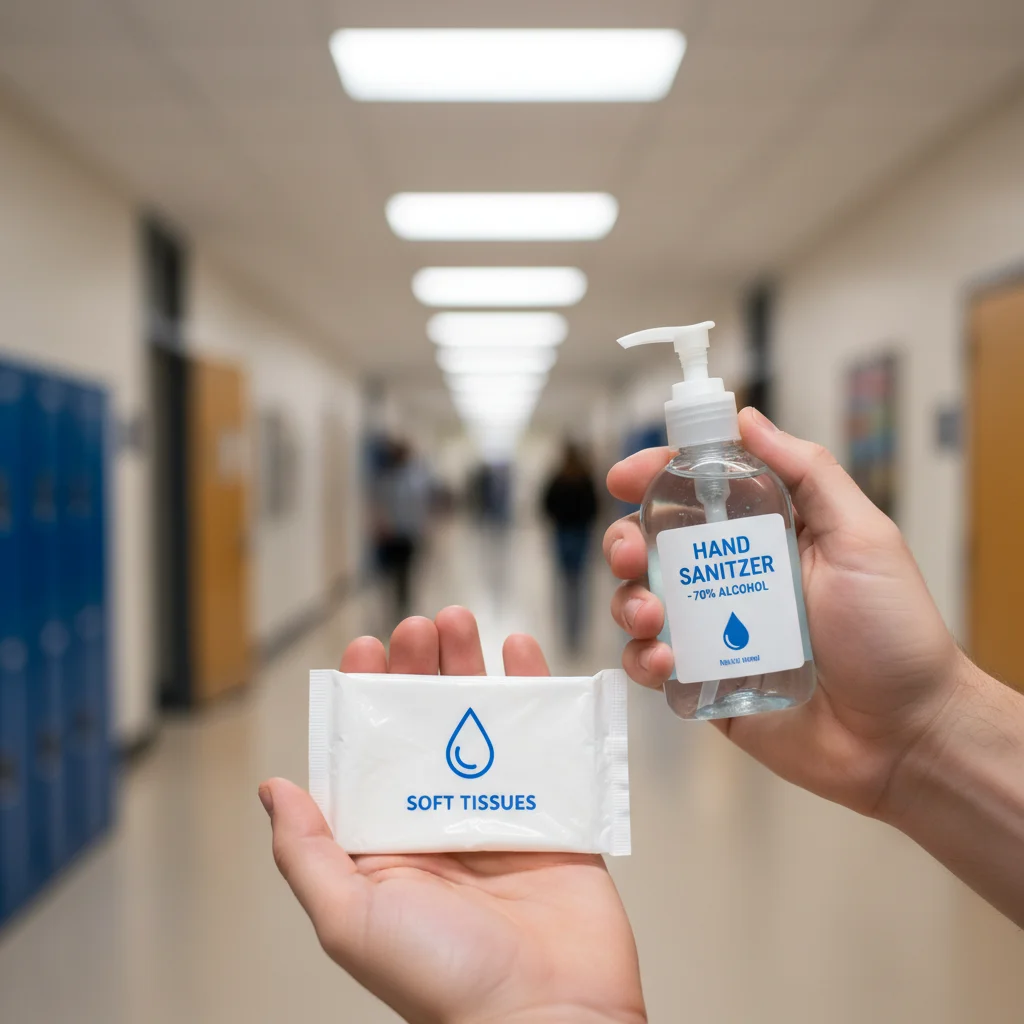
This is perhaps the most fundamental and effective step. Wash your hands with soap and water for at least 20 seconds, especially after coughing, sneezing, using the restroom, and before eating. If soap and water aren’t available, use an alcohol-based hand sanitizer with at least 60% alcohol.
Avoid Touching Your Face
Your eyes, nose, and mouth are common entry points for viruses. Try to break the habit of touching your face throughout the day, especially after touching public surfaces.
Cover Coughs and Sneezes
Always cough or sneeze into your elbow or a tissue, not your hands. Dispose of used tissues immediately and wash your hands afterward. This simple act helps protect those around you.
Clean and Disinfect Surfaces
Regularly clean and disinfect frequently touched surfaces in your home and workplace, such as doorknobs, light switches, countertops, and electronic devices. This helps eliminate viruses that can survive on surfaces for hours.
Stay Home When Sick
If you do get sick, the best thing you can do for yourself and others is to stay home. This prevents further spread of the virus and allows you to rest and recover more quickly. Avoid going to work, school, or public gatherings until you are fever-free for at least 24 hours without the use of fever-reducing medication.
Quick Takeaways / Key Points
- Get Your Flu Shot: Vaccinate early (Sept/Oct) for the best protection against influenza.
- Boost Immunity Naturally: Prioritize sleep, nutrition, hydration, exercise, and stress management.
- Practice Good Hygiene: Wash hands frequently, avoid touching your face, and cover coughs/sneezes.
FAQ
When is the best time to get a flu shot?
The ideal time to get your flu shot is in September or October. This allows your body sufficient time to develop antibodies before flu activity typically peaks later in the season.
Can I still get the flu even after getting vaccinated?
Yes, it’s possible, but the flu shot significantly reduces your risk of getting sick. If you do get the flu, vaccination often makes the illness milder and less likely to lead to severe complications.
What are common symptoms of the flu?
Flu symptoms often come on suddenly and can include fever, cough, sore throat, muscle aches, fatigue, and headache. It’s usually more severe than a common cold.
Conclusion
Taking a proactive approach to Flu Season Prep is one of the smartest things you can do for your health this fall and winter. By combining the flu shot with healthy lifestyle choices and diligent hygiene, you’re building a strong defense against seasonal illnesses. Stay informed, stay healthy, and enjoy the colder months without the worry of getting sick.
This article is for informational purposes only and is not a substitute for professional medical advice. Talk to your doctor before making changes to your health routine.