

iPhone vs. Android: How to Choose Your Next Phone
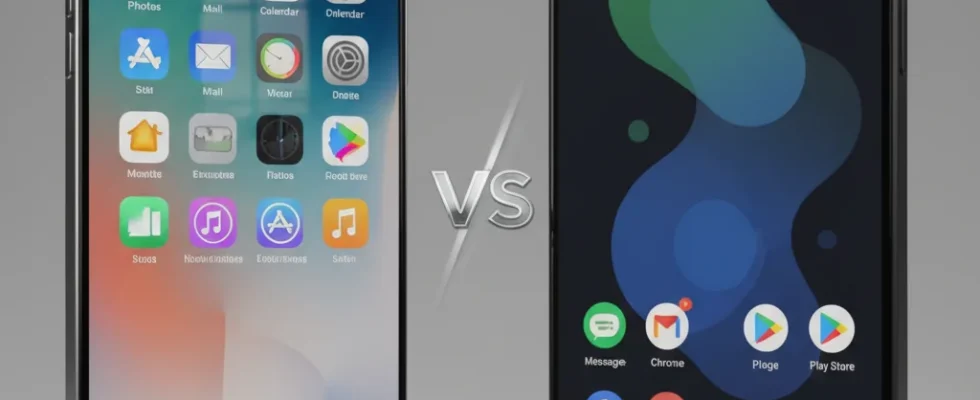
Staring down a new phone purchase? The perennial question always pops up: should you go with an iPhone or an Android device? This isn’t just about picking a gadget; it’s about choosing an entire ecosystem that will shape your daily digital life. We’re here to cut through the noise and help you figure out which side of the smartphone fence is right for you, making your decision on an iPhone vs. Android much clearer.
Advertisements
Whether you’re a long-time user looking to switch or a first-time smartphone buyer, understanding the core differences and what each platform excels at is crucial. Let’s dive into the features, flexibility, and overall experience to help you confidently select your next phone.
Understanding the Ecosystem: Apple vs. Google
When you buy an iPhone, you’re buying into Apple’s tightly integrated ecosystem. This means a seamless experience across all your Apple devices—iPads, Macs, Apple Watches, and AirPods—thanks to features like Handoff, AirDrop, and iCloud. Everything is designed to work together effortlessly, offering a consistent user interface and strong privacy controls.
On the other hand, Android, powered by Google, is a much more open ecosystem. While Google provides the core operating system, various manufacturers like Samsung, Google (with its Pixel phones), OnePlus, and many others build devices running Android. This diversity means a wider range of hardware options, price points, and customization possibilities. Your Android phone can easily integrate with Google services like Gmail, Google Maps, and Google Photos, but it also plays nicely with many third-party services.
Design, Hardware, and Performance
iPhones are known for their premium build quality, often featuring sleek designs, high-end materials, and powerful processors. Apple designs its own chips, which are optimized specifically for iOS, often leading to exceptional performance and longevity. While there are fewer iPhone models released each year, each one typically offers top-tier cameras and display technology.
Android phones, due to the sheer number of manufacturers, offer an incredible variety of designs, features, and price points. You can find everything from budget-friendly options to ultra-premium flagships that rival or even surpass iPhones in certain specifications. Many Android devices boast innovative features like foldable screens, stylus support (like Samsung’s S Pen), and super-fast charging. The performance can vary widely, but top-tier Android phones from brands like Samsung and Google also feature powerful, custom-designed processors.
Software Experience: iOS vs. Android OS
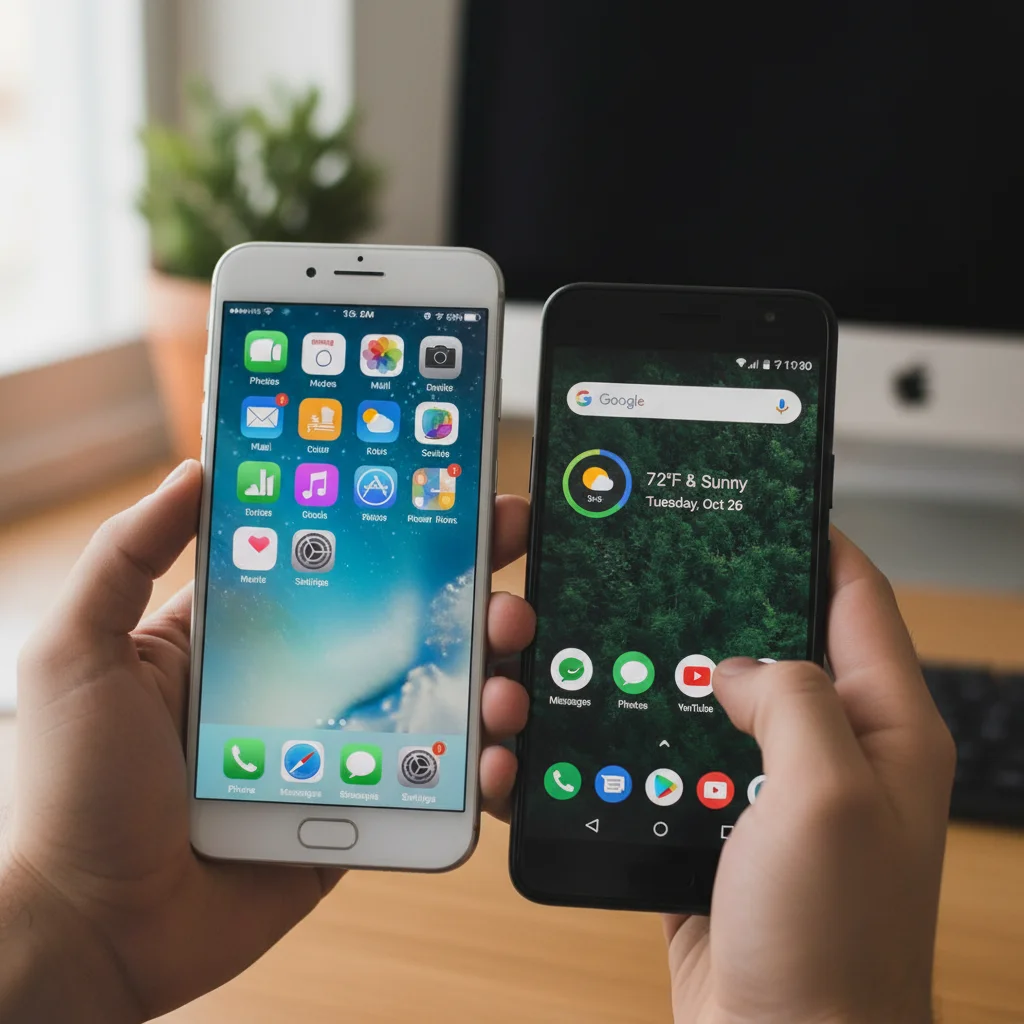
iOS, Apple’s operating system, is renowned for its simplicity, intuitiveness, and ease of use. It has a clean interface, consistent app design, and regular, timely software updates that reach all compatible devices simultaneously. This consistency makes it very user-friendly, especially for those who prefer a straightforward experience. Apple also has a strong focus on privacy and security, with features like App Tracking Transparency.
Android offers unparalleled customization. You can change everything from launchers and icon packs to widgets and default apps. This flexibility allows you to truly make your phone your own. While software updates can be more fragmented across different Android manufacturers and models, Google’s Pixel phones receive updates directly and promptly. Android’s integration with Google Assistant and its robust notification system are also major highlights.
App Availability and Quality
Both the Apple App Store and the Google Play Store boast millions of apps, so you’ll find virtually every popular application available on both platforms. Historically, new apps or major updates might debut on iOS first, but this gap has largely closed. Developers often prioritize iOS due to its standardized hardware and easier development environment, but Android’s massive user base ensures it’s rarely far behind.
When it comes to app quality, both platforms offer excellent experiences. Apple is known for its stringent app review process, which often results in a high standard of app design and performance. Android’s open nature means a wider variety of apps, though some might not feel as polished as their iOS counterparts. However, the sheer breadth of options on Android can be a huge advantage for users looking for niche apps or specific functionalities.
Cost and Value: Making Your Budget Work
Price is often a major factor in the iPhone vs. Android debate. iPhones typically start at a higher price point, with new flagship models often costing $799 and up. While Apple does offer older models at reduced prices and the more budget-friendly iPhone SE, the entry barrier can still feel significant.
Android’s diverse market means you can find phones at almost any price. You can get a perfectly capable Android smartphone for under $300, or you can splurge on a top-tier flagship that costs over $1,000. This flexibility makes Android a great choice for those with strict budget constraints or those who want specific high-end features without committing to Apple’s premium pricing. Keep in mind that prices vary widely depending on the model, retailer, and current promotions.
Security and Privacy Considerations
Apple has built its brand heavily around user privacy and security. iOS features robust encryption, strong app permissions, and transparency tools that let you see exactly what data apps are accessing. Face ID and Touch ID provide secure biometric authentication, and Apple’s closed ecosystem makes it harder for malware to infiltrate devices.
Android has made significant strides in security over the years, with Google regularly releasing security updates. Features like Google Play Protect scan apps for malware, and Android’s robust permission system gives users granular control over data access. While Android’s open nature can sometimes lead to more fragmentation in security updates across devices, reputable manufacturers like Google and Samsung provide timely patches and strong built-in security measures.
Photography and Videography
Both iPhones and high-end Android phones offer exceptional camera experiences. Apple’s computational photography, particularly with features like Cinematic Mode and ProRAW, delivers stunning photos and videos that are often praised for their consistency and ease of use. iPhones are a favorite among many content creators for their reliable video quality.
Android phones, especially those from Google (Pixel series) and Samsung, also push the boundaries of mobile photography. Pixel phones are legendary for their computational photography, often producing incredible detail and low-light performance. Samsung’s flagships boast versatile multi-lens setups, offering extreme zoom capabilities and high-resolution sensors. The choice here often comes down to personal preference for color science, specific features, and the overall camera app experience.
User Experience: Which Feels Right for You?
Ultimately, the best phone for you boils down to personal preference and how you use your device. If you value simplicity, a tightly integrated ecosystem, consistent performance, and top-tier privacy controls, an iPhone might be your ideal match. It’s a ‘just works’ experience that many users appreciate.
If you crave customization, a wider range of hardware options (including unique features like foldables), more control over your software, and a broader selection of price points, Android offers unparalleled flexibility. It allows you to tailor your device to your exact needs and preferences, often providing more bang for your buck in terms of raw specifications.
Future-Proofing Your Investment
When considering your next phone, think about how long you plan to keep it. iPhones are known for their long-term software support, often receiving major iOS updates for five to seven years. This means your device will remain secure and gain new features for a considerable time, maintaining its value better on the resale market.
For Android, software support varies significantly by manufacturer. Google’s Pixel phones typically offer five to seven years of updates, similar to Apple. Other manufacturers like Samsung are also extending their support periods, with many now offering four to five years of major OS updates and security patches for their flagship devices. Budget Android phones, however, might only receive one or two major OS updates, so it’s worth checking the manufacturer’s policy if longevity is a priority for you.
Making the Switch: Is it Worth It?
If you’re currently on one platform and considering switching to the other, know that both Apple and Google have made it easier than ever to migrate your data. Tools like Apple’s ‘Move to iOS’ app and Google’s data transfer options help you bring over contacts, photos, and messages with minimal hassle.
The biggest hurdle for switching is often getting used to a new interface and ecosystem. If you’re deeply embedded in one ecosystem with many apps, accessories, and subscriptions tied to it, switching might require some adjustments and potentially repurchasing certain apps. However, many users find the change refreshing and discover new features they love on the alternative platform.
Quick Takeaways / Key Points
- Ecosystem & Integration: iPhone offers a seamless, tightly integrated Apple ecosystem; Android provides an open, diverse ecosystem with many manufacturers.
- Customization & Flexibility: Android excels in customization options and hardware variety; iOS provides a consistent, user-friendly experience with strong privacy.
- Price & Value: Android offers a wider range of price points from budget to premium; iPhones generally start at a higher premium price.
FAQ
Q: Which is better for privacy, iPhone or Android?
A: Apple has a strong reputation for privacy with features like App Tracking Transparency and robust data encryption. While Android has improved significantly, Apple’s closed ecosystem generally offers a more unified and stringent approach to user privacy.
Q: Can I easily switch from iPhone to Android, or vice versa?
A: Yes, both Apple and Google provide tools to help you migrate your essential data like contacts, photos, and messages. While the process is smoother than ever, adapting to a new interface and potentially repurchasing some apps might be necessary.
Q: Do Android phones get software updates as long as iPhones?
A: It varies. Google Pixel phones and some Samsung flagships now offer long-term software support comparable to iPhones (5-7 years). However, many other Android devices may receive fewer major OS updates, so check the manufacturer’s policy.
The Right Choice for Your Next Phone
Choosing between an iPhone vs. Android ultimately comes down to what you prioritize in a smartphone. Do you value seamless integration and a polished, consistent experience, or do you prefer maximum customization and a vast array of hardware options? Consider your budget, existing tech, and how you plan to use your device daily.
Both platforms offer incredible technology and capabilities. By weighing the pros and cons of each, you’re now equipped to make an informed decision and pick the perfect device that truly fits your lifestyle. Happy phone hunting!