

How to Layer for Cold Weather Without Looking Bulky
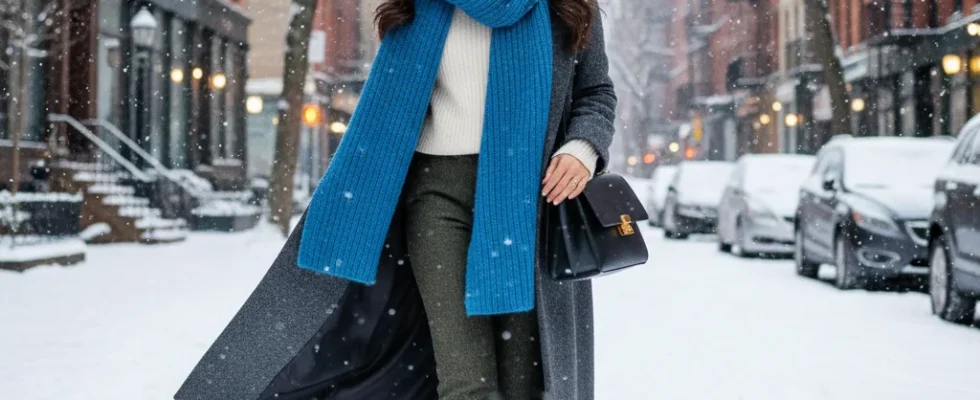
As the temperatures drop, staying warm becomes a priority, but nobody wants to feel like the Michelin Man. The good news is that you don’t have to sacrifice style for warmth. Mastering how to layer for cold weather without looking bulky is an art, and it’s completely achievable with the right approach.
Advertisements
This guide will walk you through the essential principles of smart layering, from choosing the right fabrics to building cohesive, warm, and stylish outfits. Get ready to embrace the chill with confidence and comfort!
The Foundation: Understanding Your Layers
Effective layering isn’t just about piling on clothes; it’s about strategic placement and fabric choices. Think of your outfit in three distinct layers, each serving a specific purpose. This approach is key to staying warm and avoiding unnecessary bulk.
Base Layer: The Moisture Wicker
Your base layer is the closest to your skin, and its primary job is to manage moisture. When you sweat, you want a fabric that can wick that moisture away from your body to keep you dry. Wet clothes can make you feel colder, even if they’re thick.
- Best Fabrics: Merino wool and synthetic blends (like polyester or polypropylene). Merino wool is fantastic because it’s naturally moisture-wicking, odor-resistant, and surprisingly warm for its weight. Synthetics are also great, often more affordable, and dry quickly.
- What to Avoid: Cotton. While comfortable, cotton absorbs moisture and takes a long time to dry, making you feel clammy and cold. Save your cotton tees for warmer days.
- Fit: This layer should be snug but not restrictive. You want it to sit close to your skin to efficiently wick away sweat.
Mid-Layer: The Insulator
The mid-layer is your primary source of warmth. It traps air close to your body, providing insulation. This is where you can play with different textures and thicknesses, but always with an eye toward avoiding bulk.
- Best Fabrics: Fleece, down, cashmere, wool, or a good quality sweater knit. Thin fleece jackets are excellent for casual warmth. Cashmere and fine-gauge merino wool sweaters offer significant warmth without much volume. Down vests or lightweight down jackets can be incredibly insulating without being bulky.
- What to Avoid: Overly chunky knits as your primary mid-layer if you’re aiming for a sleek look. While beautiful, they can add significant bulk under an outer layer.
- Fit: This layer should fit comfortably over your base layer, allowing for movement without being baggy.
Outer Layer: The Protector
Your outer layer, or shell, protects you from the elements – wind, rain, and snow. It’s crucial for sealing in the warmth generated by your inner layers.
- Best Fabrics: Water-resistant or waterproof materials like Gore-Tex, nylon, or treated wool. Look for coats with good insulation if you’re in extremely cold climates. A well-constructed wool or cashmere blend coat can also be a stylish and warm choice.
- What to Avoid: Anything that isn’t weather-appropriate. A thin fashion coat won’t do much good if it’s pouring rain or heavily snowing.
- Fit: This layer should be roomy enough to accommodate your base and mid-layers comfortably without feeling tight, but not so loose that cold air can easily penetrate.
Smart Strategies to Layer for Cold Weather Without Looking Bulky
Now that you understand the purpose of each layer, let’s dive into some practical tips and tricks to keep your silhouette streamlined.
1. Embrace Thin, High-Quality Fabrics
This is perhaps the most critical rule. Instead of one thick, bulky sweater, opt for two or three thinner, high-performance layers. Modern fabrics, especially merino wool, cashmere, and advanced synthetics, offer incredible warmth-to-weight ratios.
- Example: A merino wool base layer + a thin cashmere sweater + a lightweight down vest. This combination provides more warmth and less bulk than a single chunky knit.
2. Prioritize Fit and Silhouette
Each layer should fit well. Baggy layers create air pockets that can make you colder and definitely add bulk. Conversely, layers that are too tight will restrict movement and compress insulation, reducing its effectiveness.
- Slim-Fit Bottoms: Pair bulkier tops with slim-fit jeans, leggings, or trousers to balance your silhouette.
- Tailored Outerwear: Invest in an outer coat that is well-tailored. A coat with a defined waist or a slightly A-line cut can be more flattering than a boxy style.
3. Varying Lengths and Textures
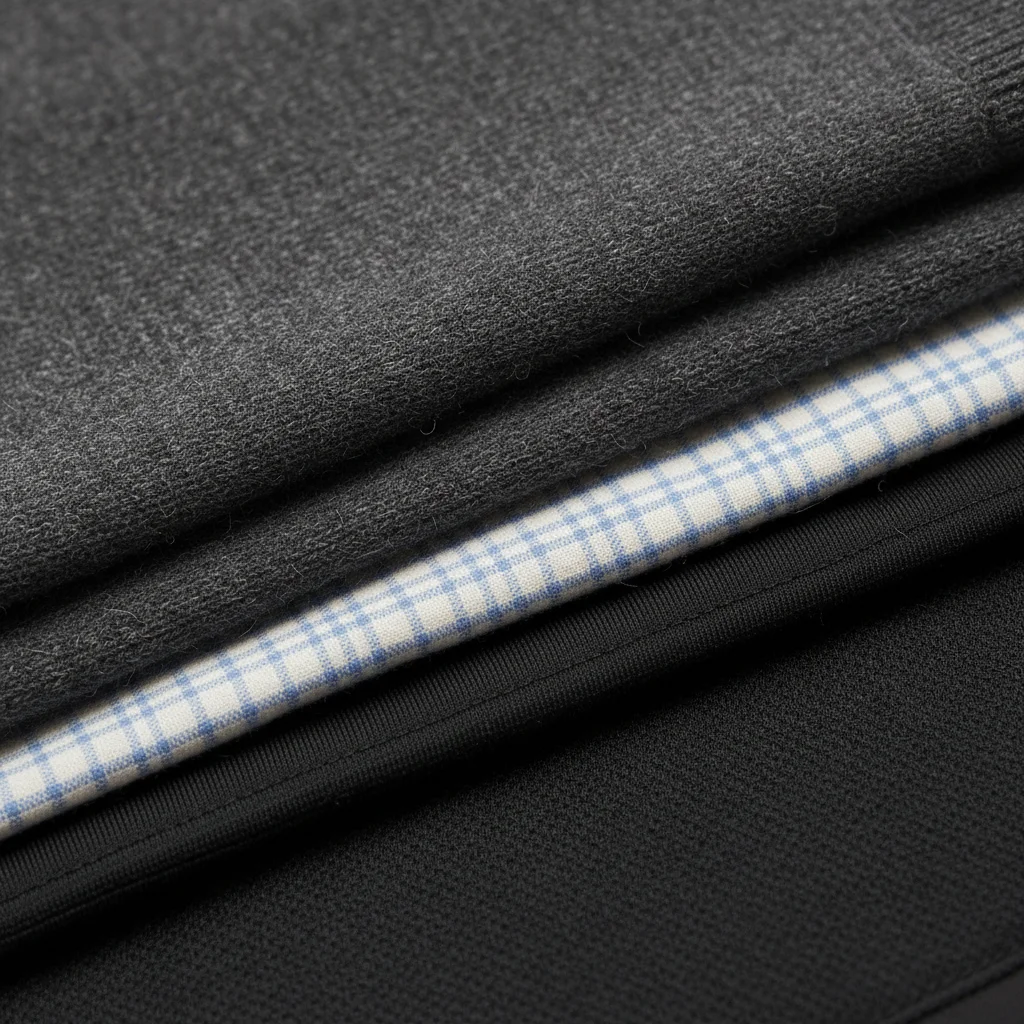
Adding visual interest through varying lengths and textures can make your outfit look intentional and stylish, rather than just piled on. A longer shirt peeking out from under a shorter sweater, or a vest over a long-sleeved tee, adds depth.
4. Don’t Forget Accessories
Accessories are your secret weapons for warmth without bulk. A good scarf, hat, and gloves can make a huge difference in how warm you feel, especially since a significant amount of heat can be lost from your head and extremities.
- Scarves: Opt for scarves made of wool, cashmere, or fleece. You can drape them stylishly without adding bulk to your core.
- Hats & Gloves: A beanie or a wool hat, and insulated gloves, are non-negotiable for very cold weather.
- Socks: Thermal wool or synthetic socks are crucial for keeping your feet warm and dry.
5. Strategic Color and Pattern Play
Darker colors tend to be more slimming, so using them as your outermost layers can help. Monochromatic outfits (different shades of the same color) can also create a long, lean line, even with multiple layers. If you want to incorporate patterns, do so on thinner, inner layers or with accessories.
Outfit Ideas for Everyday Cold Weather Style
Let’s put these principles into practice with some real-world examples:
Casual Chic for Errands
- Base: Uniqlo Heattech Ultra Warm long-sleeve tee (around $25).
- Mid: Fine-gauge merino wool crewneck sweater from Nordstrom Rack (around $40-$70).
- Outer: "Puffer" vest from Target (around $30-$50) or a lightweight, packable down jacket like an Amazon Essentials option (around $40-$60).
- Bottoms: Dark wash, slim-fit jeans.
- Accessories: Wool beanie and a soft, thin cashmere scarf.
Work-Appropriate Warmth
- Base: Silk blend thermal top from L.L.Bean (around $50).
- Mid: Cashmere V-neck sweater from Banana Republic (often on sale for $80-$120).
- Outer: Structured wool blend blazer or a tailored wool topcoat from Macy’s (blazer $70-$150, coat $150-$300).
- Bottoms: Wool trousers or a midi skirt with fleece-lined tights.
- Footwear: Leather ankle boots.
Weekend Adventure Ready
- Base: Smartwool Merino 250 base layer top (around $110).
- Mid: Patagonia Better Sweater fleece jacket (around $139).
- Outer: Waterproof and windproof shell jacket from Columbia or The North Face (around $100-$200).
- Bottoms: Insulated hiking pants or fleece-lined leggings.
- Accessories: Warm wool socks, insulated gloves, and a performance beanie.
Quick Takeaways / Key Points
- Thin Layers are Key: Opt for multiple thin layers over one bulky one for maximum warmth and minimal bulk.
- Choose Smart Fabrics: Prioritize moisture-wicking base layers (merino wool, synthetics) and insulating mid-layers (fleece, cashmere, down).
- Fit Matters: Each layer should fit well – snug but not tight – to maintain warmth and a sleek silhouette.
FAQ
- How many layers should I wear in really cold weather?
- Generally, three layers are optimal: a base (moisture-wicking), a mid (insulating), and an outer (weatherproof). You can adjust the thickness of each layer based on the exact temperature and your activity level.
- Can I still look fashionable while layering for winter?
- Absolutely! Focus on well-fitting garments, varying textures, and strategic color choices. Accessories like scarves and hats can also add style without adding bulk to your core.
- What’s the best fabric for a base layer to avoid bulk?
- Merino wool is highly recommended for its excellent warmth-to-weight ratio, moisture-wicking properties, and natural odor resistance. Synthetic blends are also effective and often more budget-friendly.
Conclusion
Learning how to layer for cold weather without looking bulky is a game-changer for your winter wardrobe. By understanding the function of each layer, selecting the right fabrics, and paying attention to fit, you can create outfits that are both incredibly warm and effortlessly stylish. So go ahead, embrace the chill, and step out in confidence this season!