

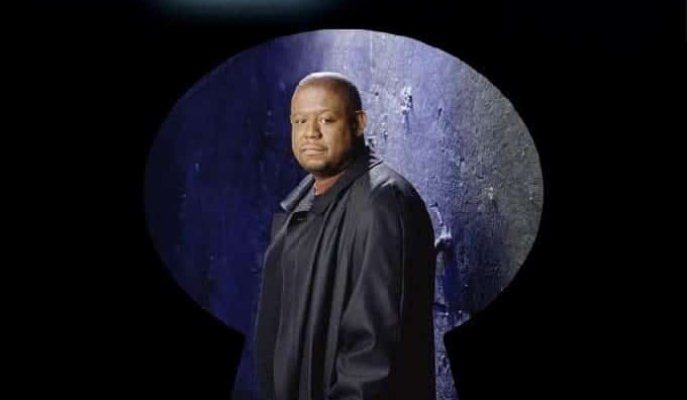
Hello, everyone! Today, I’m excited to delve into the anthology series The Twilight Zone, which revitalizes the classic sci-fi format through Jordan Peele’s innovative lens, presenting narratives that resonate with our current societal fears and curiosities.
Advertisements
The Twilight Zone is an American anthology television series brought to life by Simon Kinberg, Jordan Peele, and Marco Ramirez, inspired by the original 1959 series crafted by Rod Serling. Debuting on April 1, 2019, via CBS All Access (now known as Paramount+), this reboot encompasses two seasons featuring 20 episodes with runtimes averaging between 42 to 58 minutes. Peele, through his company Monkeypaw Productions, not only narrates but also serves as executive producer.
This modern iteration pays homage to Rod Serling’s groundbreaking work by offering standalone tales that scrutinize humanity’s aspirations, fears, and biases through the captivating lenses of science fiction, fantasy, and psychological horror. What sets this rendition apart is Peele’s contemporary viewpoint, which tackles issues such as the impact of social media, racial strife, and the perils of technology, all while retaining the philosophical richness that rendered the original a classic.
The Twilight Zone effectively encapsulates the eerie essence of the original series while refreshing the narrative style for today’s viewers. Each episode acts as a moral exploration enveloped in genre-specific elements, using supernatural and sci-fi themes to probe deeply into human dilemmas and societal challenges.
Modern Morality Tales: A Fusion of Classic and Contemporary
The anthology format empowers The Twilight Zone to address an extensive array of themes, ranging from technological nightmares to social justice narratives. For instance, episodes like “The Comedian” examine the costs associated with fame and artistic integrity, while “Replay” harnesses the concept of time travel to discuss racial profiling and police violence. This series adeptly continues the tradition of unexpected conclusions and moral teachings, all while reflecting contemporary anxieties.
Each episode stands as a self-sufficient narrative, allowing viewers to enter the series at any point while collectively painting a picture of today’s societal landscape. The show shines brightest when it revitalizes familiar Twilight Zone motifs for the digital age, fabricating scenarios that feel both nostalgically appealing and urgently pertinent.
Jordan Peele: The Ideal Voice and Visionary Leader
Stepping into the shoes of Rod Serling, Jordan Peele assumes the role of narrator, infusing the series with his unique voice and perspective. Following his triumphs with “Get Out” and “Us,” Peele emerges as the perfect heir to Serling’s legacy, sharing a passion for using genre storytelling to explore pressing social themes.
Peele’s narration evokes the eerie and reflective tone that characterized Serling’s introductions, while his role as executive producer guarantees thematic consistency across episodes. His dual background in comedy and horror enhances the series, allowing narratives that are both engaging and profoundly unsettling.
Noteworthy Episodes: Contemporary Masterpieces and Nightmarish Realities
The series showcases exceptional performances from guest stars such as Kumail Nanjiani, Adam Scott, Sanaa Lathan, and Tracy Morgan. Episodes like “USS Callister,” which garnered multiple Emmy awards, reflect the series’ ability to attract high-caliber talent and tell riveting standalone stories.
The episode “Nightmare at 30,000 Feet” serves as a modern reinterpretation of the classic “Nightmare at 20,000 Feet,” illustrating both the opportunities and challenges involved in reimagining beloved narratives for a contemporary audience. The series excels when it forges entirely new stories rather than merely replicating classic episodes.
Social Commentary: Where Horror Intersects with Reality
The series reaches its most impactful moments by confronting real-world issues through allegorical storytelling. Episodes that delve into racial tensions, gender dynamics, and the obsession with social media reveal how the Twilight Zone framework can shed light on modern-day dilemmas. However, some installments risk being overly message-driven, occasionally sacrificing nuanced storytelling.
The willingness of the show to engage with contentious topics aligns with Peele’s dedication to leveraging the platform for social critique, mirroring Serling’s tradition of addressing challenging subjects within the safe confines of genre narratives. The outcomes can range from brilliant to heavy-handed, yet they remain consistently thought-provoking.
Star-Studded Cast and High Production Quality
The series enjoys robust production quality and noteworthy performances from established actors who bring depth to the anthology format. High-caliber visual effects and cinematography create a suitably eerie ambiance that pays tribute to the original while feeling distinctly modern.
Ensemble pieces and supporting characters resonate particularly well when they focus on universal human experiences, rather than getting lost in specific contemporary challenges. The show excels in crafting memorable characters, even within the confines of standalone storytelling.
Mixed Reception on Paramount+
The Twilight Zone has garnered mixed feedback from both critics and viewers, praised for Peele’s innovative vision and standout episodes, but also critiqued for inconsistent quality and overt social messaging. The IMDb ratings vary across episodes, with some surpassing 7.0 while others dip below 6.0. Despite its strong production quality and notable guest appearances, the series was canceled after two seasons in February 2021. The Twilight Zone faced challenges in balancing reverence for the original series with the need to create a distinctly modern narrative, leading to episodes that ranged from exceptional to underwhelming.
A Contemporary Update Worth Exploring
For fans of anthology series that intertwine social critique with supernatural storytelling, The Twilight Zone is certainly worth a look on Paramount+. Although the series exhibits inconsistencies, it features numerous episodes that rank among the finest modern interpretations of the genre.
Why You Should Consider This Modern Take on The Twilight Zone
Positive Aspects:
- Jordan Peele injects fresh insights and high production standards into the classic format.
- Numerous episodes effectively refresh classic Twilight Zone themes for today’s audiences.
- Outstanding guest performances from accomplished actors throughout various episodes.
- Impressive visual effects and cinematography create an appropriately haunting atmosphere.
- Addresses significant social issues within the framework of genre storytelling.
Negative Aspects:
- Quality of episodes is inconsistent, with some not measuring up to the original series’ excellence.
- Heavy-handed social themes occasionally overshadow subtle narrative elements.
- Direct remakes of classic episodes frequently fall short when compared to their predecessors.
- Cancellation after only two seasons limits the series’ overall impact.
- Mixed critical and audience responses indicate it struggled to capture widespread appeal.
The Twilight Zone serves as both a tribute to Rod Serling’s iconic creation and a reflection on modern society, offering engaging entertainment even when certain episodes fail to fully resonate.
Series Overview
- Total Episodes: 20 episodes (completed 2 seasons)
- Available On: Paramount+ (formerly CBS All Access)
- Years of Release: 2019-2020 (canceled)
- Current IMDb Rating: 6.1/10 (varies by episode)
- Genres: Science Fiction, Psychological Horror, Anthology
- Production Type: Western series
- Status: Canceled after 2 seasons in February 2021
- Main Cast: Various guest stars per episode (Kumail Nanjiani, Adam Scott, Sanaa Lathan, Tracy Morgan, etc.)
- Main Antagonists: Varies by episode (societal issues, technology, human nature)