

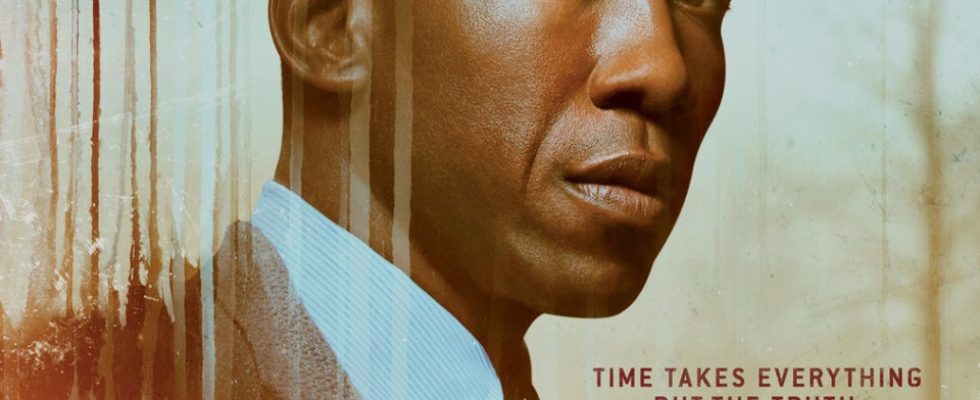
Hello, fellow enthusiasts! Are you ready to dive into the mesmerizing world of True Detective? This groundbreaking series isn’t just another crime show; it’s a profound exploration of humanity’s darkest corners, reshaping the landscape of anthology drama forever.
Advertisements
True Detective graced our screens on January 12, 2014, with its debut season consisting of 8 riveting episodes that concluded on March 9, 2014. Crafted by Nic Pizzolatto, this HBO masterpiece chronicles the harrowing journey of detectives Rust Cohle and Martin Hart, who unravel a chilling ritualistic murder that stretches across decades. Each episode runs about 60 minutes, structured in a nonlinear fashion that artfully weaves between different timelines, unveiling both the intricate case and the detectives’ psychological transformations.
Set against the haunting backdrop of rural Louisiana from 1995 to 2012, the series follows two contrasting detectives as they delve into a series of occult murders that plague the industrial heartland of the Deep South. True Detective transcends the ordinary crime procedural, delving into existential philosophy, the complexities of masculinity, and the very essence of evil through the lens of investigative work. With its beautifully crafted dialogue, gripping cinematography, and stellar performances, the series feels more like an epic philosophical narrative than a run-of-the-mill crime drama.
A Journey Through Louisiana’s Mystical Underbelly
In True Detective, Louisiana emerges as a hauntingly beautiful realm where industrial decay collides with ancient mysticism, setting the stage for ritualistic horror. The show meticulously examines how petrochemical plants and sugarcane fields serve as backdrops for both corporate greed and occult behaviors. Each episode immerses viewers in the atmosphere, showcasing long, sweeping shots of dilapidated mansions, rural churches, and eerie refineries, suggesting a land steeped in both history and a haunting present.
The brilliance of the show lies in its depiction of Louisiana not merely as a physical setting, but as a symbolic wasteland—one where capitalism has tainted both the land and the souls of its inhabitants. As the detectives navigate through trailer parks, opulent estates, and industrial sites, True Detective illuminates how economic disparity and environmental degradation forge pathways for crime and moral corruption. Here, the landscape is not just a backdrop; it becomes a character reflecting the ethical decay the detectives strive to expose.
Rust Cohle: The Cynical Seer
Matthew McConaughey delivers a stunning portrayal of Rust Cohle, a detective whose philosophical musings mask a profound awareness of human suffering. Rust embodies the archetype of the intellectual detective, grappling with his own understanding of truth—an asset that becomes a double-edged sword. His character personifies philosophical pessimism, yet he carries enough empathy to fight against the evils he uncovers, despite his belief in life’s inherent meaninglessness.
As the series progresses, Rust transitions from a dedicated detective to a disillusioned security guard, revealing how the grim nature of human investigations can shatter one’s sense of purpose and faith. McConaughey’s performance captures Rust’s intellectual prowess and emotional turmoil, illustrating how one can juggle existential despair while still holding on to a moral compass. His journey serves as a poignant exploration of how individuals navigate their purpose amid the bleak possibility of a meaningless existence.
Martin Hart: The Flawed Everyman
Woody Harrelson shines as Martin Hart, a seemingly ordinary family man whose personal struggles mirror the moral compromises he tackles in his work. Hart represents the average individual striving for normalcy while grappling with profound evil. His character delves into themes of masculinity, infidelity, and the stark contrast between public morality and private failings.
The bond between Hart and Rust forms the emotional backbone of the series, showcasing the partnership of two contrasting personalities united by their quest for justice, despite their individual flaws. Harrelson expertly depicts Hart’s evolution from a confident detective to a man burdened by the weight of his investigations, highlighting how the exposure to malevolence can corrupt even those with good intentions. His arc invites viewers to reflect on how minor moral transgressions can pave the way for greater ethical dilemmas.
The Cycle of Time and Evil
The series reaches its zenith during the harrowing revelations connecting the ritualistic murders to powerful Louisiana families. The resolution of the investigation underscores how evil often thrives under the protection of institutions and social privilege, rendering justice elusive. These climactic moments reveal that the true horror lies not in the occult, but in how affluence and influence shield predators from accountability.
The iconic philosophy of “time is a flat circle” serves as the series’ thematic backbone, suggesting that cycles of violence and corruption are destined to repeat across generations. This understanding of cyclical evil elevates True Detective from a standard crime drama to a profound meditation on the potential for genuine change or redemption in a tarnished world.
A Cultural Phenomenon on HBO
True Detective exploded onto the cultural scene, winning critical acclaim and earning Emmy nominations, solidifying HBO’s reputation as a platform for sophisticated anthology storytelling. The series proved that audiences crave intellectually stimulating content that intertwines crime with philosophical inquiry. Available now on HBO Max, Hulu with the HBO add-on, and for purchase on Prime Video, the anthology format allows each season to explore new characters and locations. Its literary approach to crime drama has set a new standard for prestige television, with each season continuing to delve into the intricacies of American crime and corruption while upholding its philosophical roots.
The Most Thought-Provoking Crime Series
If you’re captivated by intricate characters, immersive storytelling, or crime dramas that probe the deeper questions of humanity, True Detective is an absolute must-watch on HBO Max. This series masterfully intertwines detective work with existential philosophy, offering a viewing experience that is as entertaining as it is intellectually enriching.
Why True Detective Stands Apart
True Detective transcends conventional crime drama by serving as a profound exploration of evil, meaning, and human consciousness. Nic Pizzolatto crafted a series that skillfully merges genre elements with literary ambition, illustrating how crime narratives can address the most profound questions of existence and morality. The show’s dedication to character depth, atmospheric storytelling, and philosophical richness makes it essential viewing for anyone seeking television that challenges intellectual boundaries while delivering compelling narratives. Whether you’re drawn in by its crime elements, character explorations, or existential themes, True Detective offers a deeply unsettling yet enlightening viewing experience.
Series Overview
Episode Count: 8 episodes (Season 1), totaling 30 episodes over 4 seasons
Available On: HBO Max (US), Hulu with HBO add-on (US), Prime Video (purchase/rent)
Years Aired: 2014-2024 (ongoing anthology)
IMDb Rating: 8.9/10 (overall), 9.0/10 (Season 1)
Genres: Crime Drama, Anthology Series, Philosophical Thriller
Production Type: American Television Series
Status: Ongoing anthology series
Main Characters: Matthew McConaughey (Rust Cohle), Woody Harrelson (Martin Hart)
Supporting Cast: Michelle Monaghan (Maggie Hart), Michael Potts (Detective Maynard Gilbough), Tory Kittles (Detective Thomas Papania)