

Smart Home Starter Guide: Devices Worth Buying First
Thinking about making your home smarter but not sure where to begin? You’re not alone! The smart home market can feel overwhelming with countless gadgets promising to revolutionize your life. This smart home starter guide is here to cut through the noise and help you identify the essential devices that offer the most bang for your buck.
Advertisements
Whether you’re looking for convenience, security, or just a cool new gadget, we’ll walk you through the foundational smart home products that are genuinely worth investing in first. Let’s make your home smarter, one practical device at a time.
The Foundation: Smart Hubs and Speakers
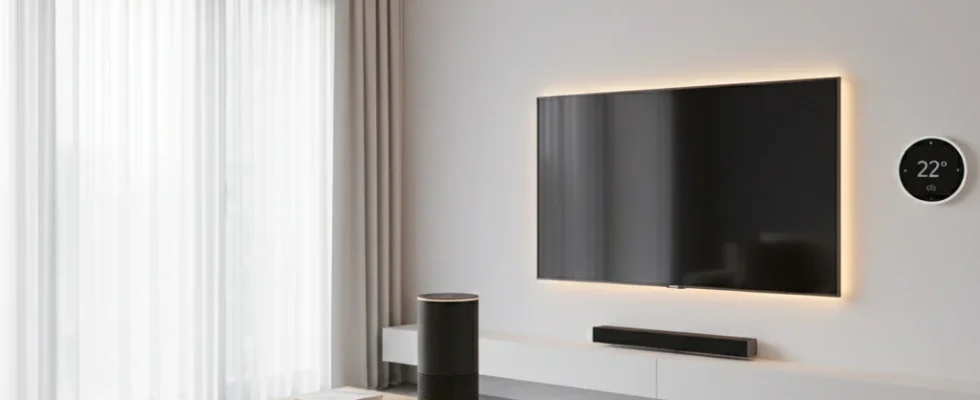
Before you fill your cart with smart bulbs and plugs, consider a central command center. A smart speaker with a built-in assistant, like the Amazon Echo Dot or Google Nest Mini, is often the best starting point. These devices act as your voice-controlled hub, allowing you to control other smart devices, play music, set timers, and get answers to your questions.
While some devices can operate independently, a smart speaker simplifies control and allows for more complex routines. They’re relatively inexpensive, often under $50, and widely available at retailers like Best Buy and Amazon. Starting here gives you a solid platform to build upon.
- Amazon Echo Dot (5th Gen): Great for Alexa users, good sound for its size, and a popular choice for voice control.
- Google Nest Mini (2nd Gen): Ideal for those in the Google ecosystem, offering seamless integration with Google Assistant.
Lighting Up Your Life: Smart Lighting
Smart lighting is one of the most popular and impactful first steps into home automation. It’s incredibly versatile, allowing you to change colors, dim lights, and schedule them to turn on or off, all from your phone or voice assistant. Imagine walking into a perfectly lit home after dark, or having your lights gently wake you up in the morning.
You can start small with a single smart bulb for a lamp or go bigger with a starter kit for a whole room. Brands like Philips Hue, Sengled, and Wyze offer excellent options. Prices for individual bulbs can range from $10 to $50, depending on features and brand. 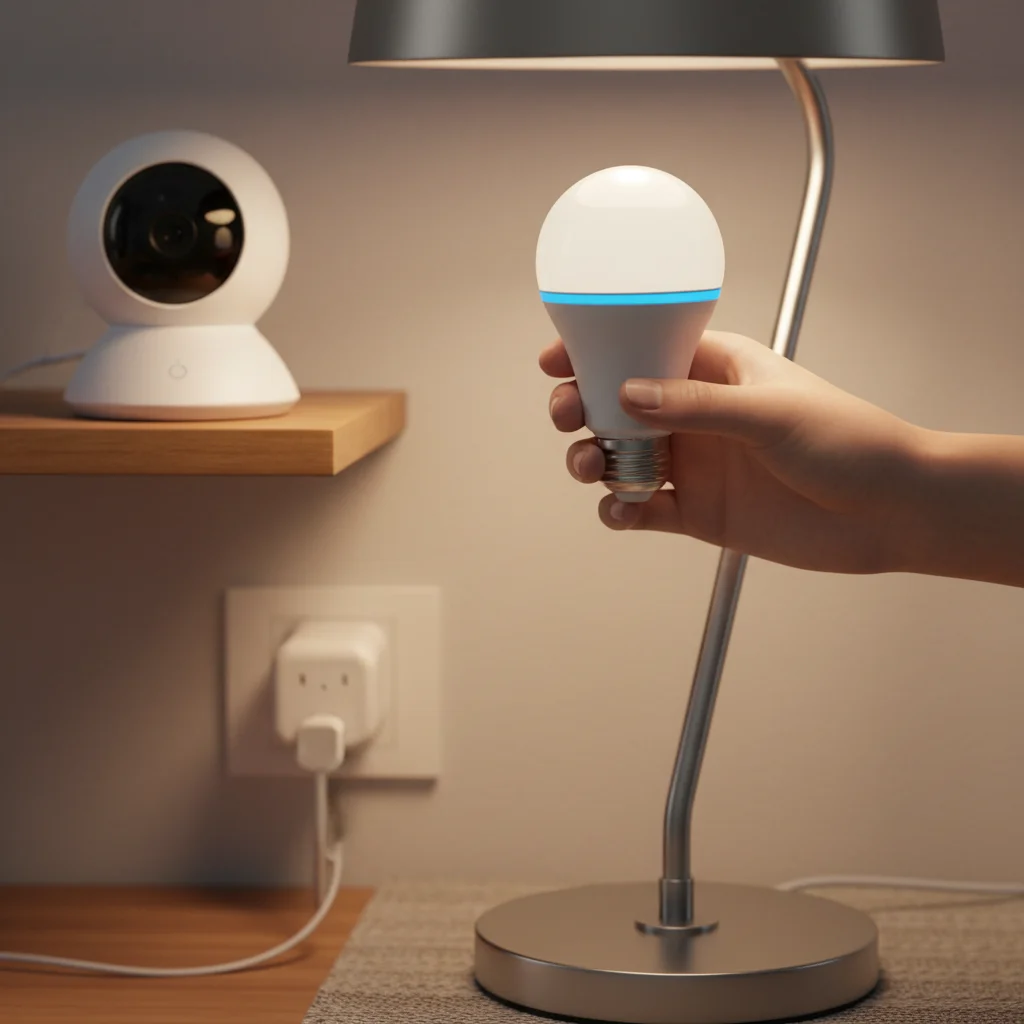
Look for bulbs that connect directly to Wi-Fi if you want to avoid an extra hub, or consider a hub-based system like Philips Hue for more advanced features and reliability.
Stay Connected and Secure: Smart Plugs and Security Cameras
Smart Plugs: Instant Automation
Smart plugs are the unsung heroes of the smart home. They turn any ‘dumb’ appliance into a smart one by simply plugging it in. Want to schedule your coffee maker to start brewing before you wake up? Or turn off a lamp from your bed? A smart plug makes it possible.
They are affordable, typically costing $15-$30 each, and are a fantastic way to dip your toes into home automation without replacing existing appliances. Kasa Smart Plugs and Wyze Plugs are highly-rated and easy to set up, available at Amazon, Target, and Walmart.
Security Cameras: Peace of Mind
For many, security is a primary driver for adopting smart home tech. A smart security camera offers peace of mind whether you’re home or away. You can monitor your front door, check in on pets, or keep an eye on your kids from your smartphone.
Look for cameras with features like motion detection, two-way audio, and night vision. Popular choices include the Arlo Essential Spotlight Camera (often around $100-$130) for outdoor use and the Wyze Cam Pan V3 (around $35) for indoor monitoring. These are available at major electronics retailers.
Comfort and Efficiency: Smart Thermostats
A smart thermostat is a device that pays for itself over time through energy savings. These devices learn your preferences, can be controlled remotely, and optimize your home’s heating and cooling. Imagine adjusting your home’s temperature from your office before you even leave, ensuring it’s perfectly comfortable when you arrive.
Brands like Google Nest and Ecobee are leaders in this category. While the initial investment is higher (often $150-$250), the long-term savings on your energy bill can be substantial. Many utility companies even offer rebates for installing smart thermostats, so check with yours!
Quick Takeaways / Key Points
- Start with a smart speaker/hub for voice control and central management.
- Smart lighting offers easy, impactful automation and visual customization.
- Smart plugs and security cameras provide affordable convenience and enhanced home security.
FAQ
- What’s the easiest smart home device to set up?
- Smart plugs are generally the easiest. You just plug them into an outlet, connect them to your Wi-Fi via an app, and you’re ready to control any connected appliance. Smart bulbs are also very straightforward to install.
- Do I need a smart home hub for every device?
- Not necessarily. Many newer smart devices, especially smart bulbs and plugs, can connect directly to your home’s Wi-Fi network. However, a smart speaker (like an Echo or Nest device) acts as a virtual hub, simplifying control and enabling voice commands for all your compatible devices.
- Is smart home technology safe from hackers?
- While no system is 100% foolproof, reputable smart home brands invest heavily in security. Always use strong, unique passwords, enable two-factor authentication where available, and keep your device firmware updated to protect your smart home from potential threats.
Conclusion
Embarking on your smart home journey doesn’t have to be complicated or expensive. By focusing on these essential devices, you can create a connected, convenient, and more secure living space. This smart home starter guide should give you the confidence to make those first smart purchases. Ready to dive deeper? Explore our other tech guides for more tips on optimizing your home!